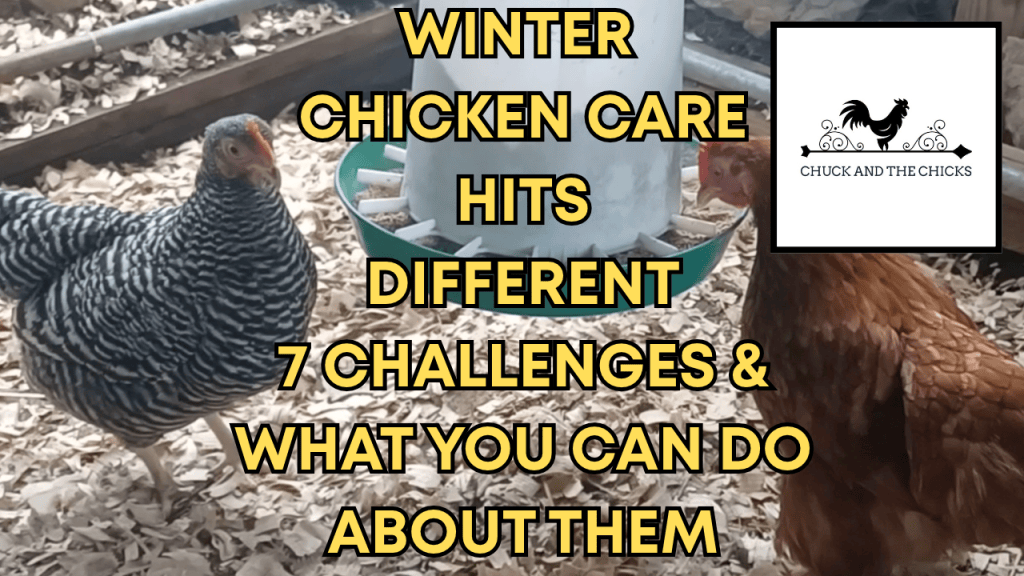
Winter Chicken Care Hits Different 7 Challenges & What You Can Do About Them
Freezing temperatures and unpredictable weather can pose serious threats to your backyard flock. Shifting weather patterns and severe winter storms can bring havoc to regions with normally mild winters. There are simple, easy steps you can take right now to have a safe and healthy winter with your backyard flock.
Complete a seasonal deep clean. It’s inadvisable to use water to clean inside your coop and run during freezing temperatures (35 degrees F or below). Take advantage of mild autumn to change out your ground cover and nesting materials in entirety. You can use food grade diatomaceous earth sparingly to dust roosts, ramps, nest boxes, and hard to clean corners to prevent mites and lice. Make sure it is food grade, not the pesticide kind. DE is dusty. A little goes a long way. Open doors and windows when applying and use PPE if you choose to (this may be helpful if you have respiratory issues). Don’t forget to deep clean your food and water dispensers too.
Check your chicken coop and run ceiling for leaks. Chickens need a sturdy ceiling to protect them from the elements. Ideally the roof to your coop is wood or metal. If those materials aren’t available to you, you can fashion an emergency roof from things like a tarp until you can replace it with something more permanent. If you’re using a tarp roof be sure to have extra on hand, they will wear out quickly.
Construct winter walls with a small gap at the top to protect your flock from draft. Wet feathers can’t keep your chickens warm. Chickens can thrive in harsh temperatures if they’re kept safe and dry. Leave a small gap at the top of your walls to allow moist, soiled air to escape with walls high enough to keep cold harsh wind and elements out. You can construct winter walls from things like plywood, scrap lumber, tarps, or stacked straw bales. Keep in mind straw bales will biodegrade and will need to be checked frequently to ensure they don’t begin to harbor pests like snakes, rats, and mice.
Create additional roosts and perches for your flock. Frostbite can vary in extremes from inconvenient to deadly to your backyard flock. One of the easiest things you can do is create additional roosting and perching space to help your flock get up off the cold ground so they can cover their vulnerable feet with their warm feathers. Remember to sand off and remove any sharp edges, protrusions, and hazardous hardware from perches you provide to your flock to avoid bumble foot. You can create roosts from things like: a 2×4 with the flat side down, large natural branches at least 3 inches in diameter, a thrifted chair, repurposed shelves, straw bales, and other chicken safe items.
Predator proof your chicken coop and area prior to winter extremes hitting. Extreme winter cold places stress on local wildlife and stray domestic animals which will become increasingly desprete to feed themselves as winter extremes drag on. Invest in predator proofing your coop and chicken area now prior to the worst of winter cold occurring. Livestock fencing, mindful landscaping, redundant locks, periodic inspections of your chicken area, motion lights, animal and kid safe predator deterrent pest sprays and pest balls, hardware cloth, thoughtfully placed rocks and gravel, yard fascinators, predator decoys, a consistent nighttime routine, emergency recall training with your flock, backyard cameras, and a livestock guardian animal are all ways to provide protection to your backyard flock. If it’s affordable for you, invest in hardware cloth especially for any openings on your chicken coop. Chicken wire is intended to keep chickens in, not to keep predators out. Predators like snakes, raccoons, mice, rats, and weasels can all easily permeate chicken wire. If your access to hardware cloth is limited utilize it on your chicken coop where your flock sleeps as your chickens will be most vulnerable to predators when they’re asleep at night.
Invest in a livestock safe heated water bowl. Livestock safe heated waterers come in a variety of styles and are increasingly affordable. While it is possible to keep water from freezing in winter without an electric heated livestock bowl it is considerably more time and labor intensive.
Have extra ground cover and an extra bag of feed on hand. Winter extremes mean interruptions to travel and regular services. Ground cover helps combat muddy conditions which helps prevent frostbite in your flock and makes maintaining their area more pleasant for you and them. Have at least one extra bag of feed on hand during the winter months especially during the height of winter extremes when roads may become impassable until normal travel can be restored. Provide your flock with oyster shell and grit to prevent conditions like soft shells and impacted crop or sour crop.
I hope you enjoyed this ultra condensed post about preparing for winter extremes. If you’re looking for even more information and more in depth information about preparing your flock for winter check out Chuck’s other social media linked below.

