*Disclaimer. I am not a veterinary professional. This content is not intended to be a substitute for professional services of any kind. The care you provide to your livestock is solely your responsibility.
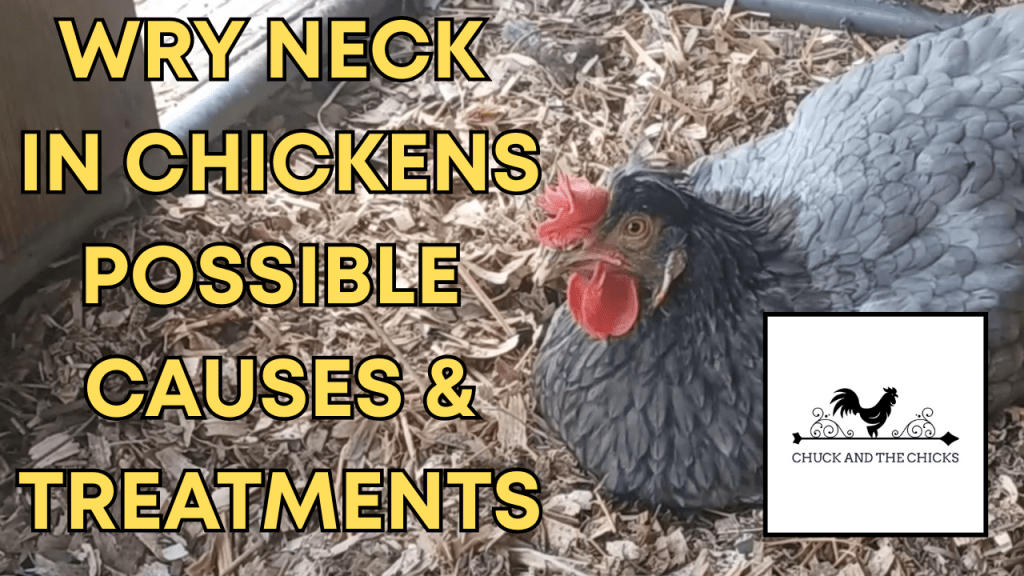
Wry Neck in Chickens Possible Causes & Treatments
Wry neck or sometimes called crooked neck in chickens is a disorder which causes the chicken or baby chick to hold their head in an unnatural posture making it impossible for the chicken to eat or drink normally. Wry neck can manifest in many different poses with the neck being turned down, backward, or sideways in such a way the chicken can’t correct their posture or resume normal activities. Wry neck can vary in extremes from a slight inconvenience to a life-threatening condition. It is most often deadly to baby chicks and baby ducklings as young chicks of any breed are especially fragile during the development stages of their life. Chicken breeds that are more prone to wry neck include ornamental breeds like the silkie or the polish chicken although chickens of any breed may develop the condition.
Possible Causes of Wry Neck
The condition of wry neck can be caused by a variety of factors ranging from inevitable, to deadly, to treatable. Possible causes include:
Poor genetics or inbreeding-Wry neck can be caused a genetic condition as a result of poor breeding or inbreeding.
Virsuses or disease presence: Newcastle and Merek’s disease both can cause wry neck and are deadly to your flock. Keep your flock safe by using sound biosecurity practices and by isolating new additions to ensure they are healthy before introducing them to your existing flock.
Head injuries or neck injuries likely from a predator or severe inter-flock aggression-If a chicken survives a severe predator attack or is being singled out and bullied by the flock to an extreme extent, the resulting injury may cause wry neck.
Ingesting toxins-Moldy or severely spoiled food, chemical exposure like yard chemicals, pesticides, construction chemicals, or other toxins can cause wry neck. Exposure to botulism toxin can also cause wry neck.
Vitamin deficiency, Vitamin E, Vitamin B1 and or Selenium- Severe or prolonged vitamin deficiencies can cause wry neck. This is often caused by an incomplete diet.
A convenient way to address nutritional gaps in your flock’s diet is to use a complete poultry feed that is 16% protein in combination with a poultry safe vitamin supplement in a free choice water dish or dispenser. Your flock always needs clean, fresh water so be sure to offer the supplement in only one of multiple water stations in addition to plain, clean water.
Preventative nutrition can include herbs rich in vitamin E like: parsley, mint, oregano, sage, dill, rosemary, thyme, and bay among others.
Some additional food sources high in vitamin E are: dandelion, nettle, spinach, sunflower seeds, pumpkin seeds, alfalfa, and others.
Avoid feeding your flock any potentially toxic treats like: Caffeine, energy supplements intended for humans, alcohol, chocolate, highly processed or sugary foods, avocado, or white potato.
Even healthy treats should only be 10% or less of your flock’s diet. Using a poultry safe vitamin supplement in a free choice water dish or dispenser combined with a complete chicken feed appropriate to your chosen breed of chicken can help address nutritional gaps in their diet.
Treatment for Wry Neck
Treatment for wry neck includes an isolation plan for the afflicted flock member. Once you’ve determined the symptoms are only in one flock member (and not spreading through your flock which would imply flock wide exposure or disease), comfort care to ensure the chicken with wry neck is able to eat and drink is necessary for their survival. You can water your struggling chicken with a dropper and use a poultry safe hydration packet to help keep them hydrated. Correcting their posture as much as possible with either rags or kitchen towels to allow them to resume normal stance and eat in addition to hand feeding them may be needed. You can also dip bread into their hydration packet water and or their supplement water. This isn’t recommended for ducks. If the cause is a vitamin deficiency, healing is possible but very slow usually taking several weeks.
You may decide to cull a severely affected chicken with wry neck if after several weeks they show no symptoms of recovery. If you don’t have the equipment to humanely dispatch a chicken at home, your local livestock veterinarian will often provide this service for a small fee.
Prevent wry neck in your flock by: building your flock with healthy chickens, practicing good bio security with your flock, feeding a complete well rounded poultry diet including your chosen complete chicken feed, utilizing poultry safe vitamin supplements, providing as much space to your flock as possible including amble roosting space and enrichment objects, feeding diverse leafy greens and herbs, and avoiding toxic materials, foods, or chemical exposure.
I hope you enjoyed this post about wry neck in chickens. If you want to learn more about backyard chickens and homesteading, be sure to check out Chuck’s other social media linked below.
 Chuck and the Chicks