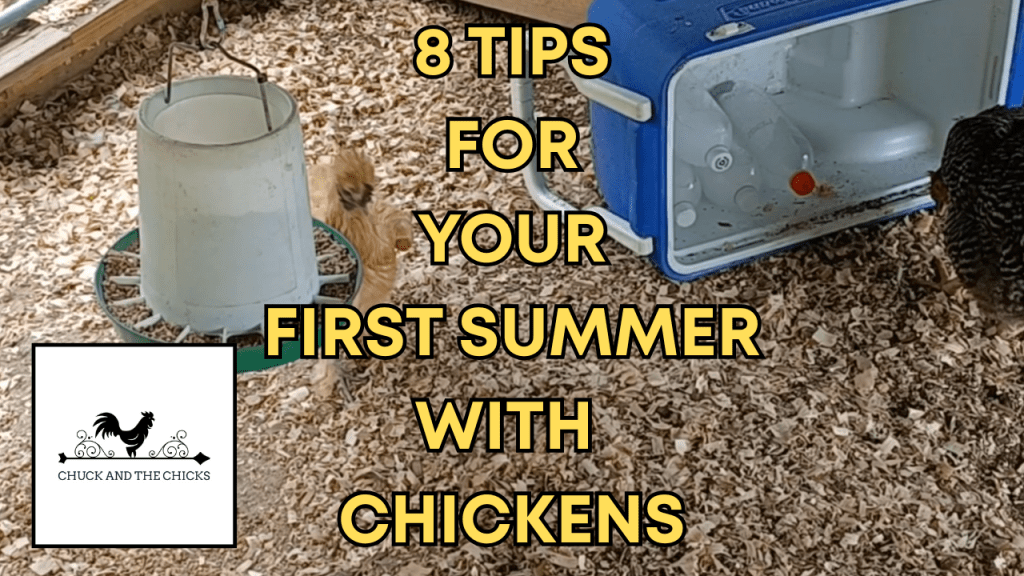
8 Tips For Your First Summer With Chickens
Backyard chicken care in the summer has both rewards and challenges. Nicer weather can make chores like maintenance and cleaning easier. However, heatwaves and soaring temperatures can pose a very real danger to your flock. These simple tips will help you boost your flock’s health, happiness, and productivity all summer long.
Shade and hydration are essential. Heatwaves pose just as much if not more danger to your flock than plummeting freezing winter temperatures. Simple, affordable solutions like homemade shade structures for your chicken area and multiple hydration stations can make the difference of life itself for your backyard chickens.
Your flock will need access to fresh air. Especially if your chickens are living in partial or fulltime confinement make sure your chicken housing is properly ventilated to allow your flock access to fresh air. For additional safety cover vents and window openings with hardware cloth to let fresh air in but keep predators out. Leave coop and run doors open during the day if it is safe for you to do so.
Now is the time to develop your cleaning care and maintenance routines. Essential cleaning and maintenance of your chicken area is significantly easier in the spring and summer since there aren’t any freezing temperatures and you can utilize water. Use a gentle natural cleaning solution like a diluted Castille soap mixture to clean perches, roosts, nesting boxes, and accessories. Don’t use harsh or harsh scented cleaning solutions in your chicken area as these cleaners can harm your chicken’s sensitive skin and can also do additional harm if they’re accidentally ingested. Choose safe gentle cleaning solutions like natural Castille soap. Remove excess droppings from your chicken area using either deep bedding method or spot clean and scoop method. Excess droppings cause and perpetuate chicken pests and diseases. Refresh your nesting material in your nest boxes as needed. Line your nesting boxes with a soft, clean, appealing liner like straw, hay, nesting pads, or even dried leaves and long grasses from your own yard as long as they haven’t been treated with any yard chemicals. I also add mint and lemon balm to my nesting boxes since both grow in my garden to naturally deter pests. This step is of course optional.
Utilize frozen and cooled fruit and vegetables as healthy treats and boredom busters for hot and weary chickens. Frozen peas, frozen berries, refridgerated fruit and vegetable scraps added to a bowl of water make great cool down treats for your flock. Another indulgent treat is part of a melon or water melon. You can often find damaged or undesirable fruits and vegetables discounted at your local grocery or farmer’s market. Repurpose the chicken-safe food scraps your family would otherwise waste by adding them to a bowl of water with some ice and feeding them to your flock. Note, not all kitchen scraps are safe for chickens. Items like chocolate, diet food with artificial sweeteners, highly processed food, caffeine or energy supplements, avocado, and alcohol are toxic to chickens.
Help your flock stay cool by providing them with water and shade. This does not have to be expensive or complicated to construct. Objects like tarps and old bed sheets can be repurposed to provide your flock with shaded areas to escape the heat of the day. More semi-permanent solutions include things like a camping canopy pop-up tent or outdoor curtains. Functionality is key.
Multiple water stations are important to help your backyard chickens cool down in rising summer temperatures. Water stations can be anything from homemade water dispensers, livestock safe dishes and bowls, repurposed safe objects, or purchased water dispenser. You can create cooling stations for your flock from common things you already have in your home. Location is important as water stations in direct sunlight are unlikely to be used and water stations clustered too close together or in a crowded corner can inspire pecking order battles. Spread your water stations out in shaded, appealing areas where your flock naturally congregates. Provide more than one station placed several feet away from each other to allow elderly, younger, and lower status flock members to stay hydrated without harassment. You can utilize other summer temperature support like misters, chicken safe wading pools, hillbilly or redneck AC cooler set ups, frozen plastic water bottles, or chicken safe hydration packets. A detailed video about these methods can found on Chuck’s YouTube channel which is linked below. Note if you’re providing any sort of hydration supplement in the height of summer be sure it is in only one of many hydration stations and that your other options for your flock are simple cool, plain water. This way, flock members can utilize the hydration packet supplement by choice. If chickens don’t like the taste of water, they won’t drink it, and things can go downhill fast. Your chickens’ bodies were made to consume plain, clean water.
Expect some lowered productivity especially during heatwaves. When temperatures will be above 80 degrees Fahrenheit some breeds of chicken which are poorly suited for hotter weather will struggle with heat stress which negatively impacts their health and productivity. Do as much as you can to mitigate heat stress like the methods mentioned above to help your flock stay productive naturally during the height of summer. Other possible causes for lowered or ceased productivity include things like unsanitary conditions, inadequate nutrition, overcrowding, stress from predator pressure, excessive stress, inadequate nesting boxes, aging, or pests and disease. There is no such thing as bad or lazy chicken. Chickens will not withhold production, meaning making eggs, as a form of defiance. If you’re not seeing any eggs from your flock, it is most likely one of their basic needs is not being met. Lack of productivity should be approached as potential health or environmental issues, not as a behavioral problem.
Provide mash and/or fermented feed to your flock during the summer to boost nutrition and hydration. To ferment your chicken feed, I use the formula 2 cups of filtered water to one cup of chicken feed. Place a cup of your chicken feed in your chosen container. This can be things like a glass canning jar or a plastic container. Add two cups of filtered water to your container so the feed is completely covered. The filtered water can come from a filtered tap, bottled water, or leave tap water in an open container overnight to allow the chlorine to evaporate. Ferment your feed in a jar with a loose ringed lid left partially untightened to allow air to escape or you can use a cheese cloth or old t-shirt and cover the opening of your container to let air escape but keep insects out. The fermenting mixture needs to be allowed to vent so it doesn’t expand and break your container. Place in a cool place out of direct sunlight. Experiment with a small batch first to make sure your feed ferments well. Some brand and types of feed will ferment better than others. You can ferment chicken feed as well as chicken scratch grains. You can ferment feed for up to 3 days and then check. You can also do a quick ferment and feed the mixture after just 24 hours. Successful fermentation will show signs of bubbles and smell like sour fermentation like strong yogurt or sour kraut. If the feed smells like rot or shows signs of mold, do not feed it to your chickens. An even simpler route is creating mash. Mix whatever food ration you’re offering your chickens with water in a livestock safe dish. The moist food provides them with critical nutrition and hydration during hot summer weather. Clean up and dispose of any uneaten portion at the end of the day to avoid attracting predators to your chicken area.
Get to know your flock this summer by spending time with them. Whenever possible, spend some extra time just sharing peaceful space with your flock. This is one of the greatest joys of backyard chicken keeping. Even if your flock is living in confinement and you can’t be in their area with them, bring out a lawn chair and offer your flock treats while sitting with them to enjoy their presence. If your flock is able to graze in an outdoor area, spend time observing them demonstrating these important natural behaviors. Watching your flock and mindfully seeing them adds to the enjoyment of chicken ownership as well as serves as an important tool to alert you to any issues.
I hope this has been a helpful starting point to learn about caring for your backyard flock during the summer season. If you enjoyed this post, be sure to check out Chuck’s other social media for more backyard chicken and homesteading content.
 Chuck and the Chicks