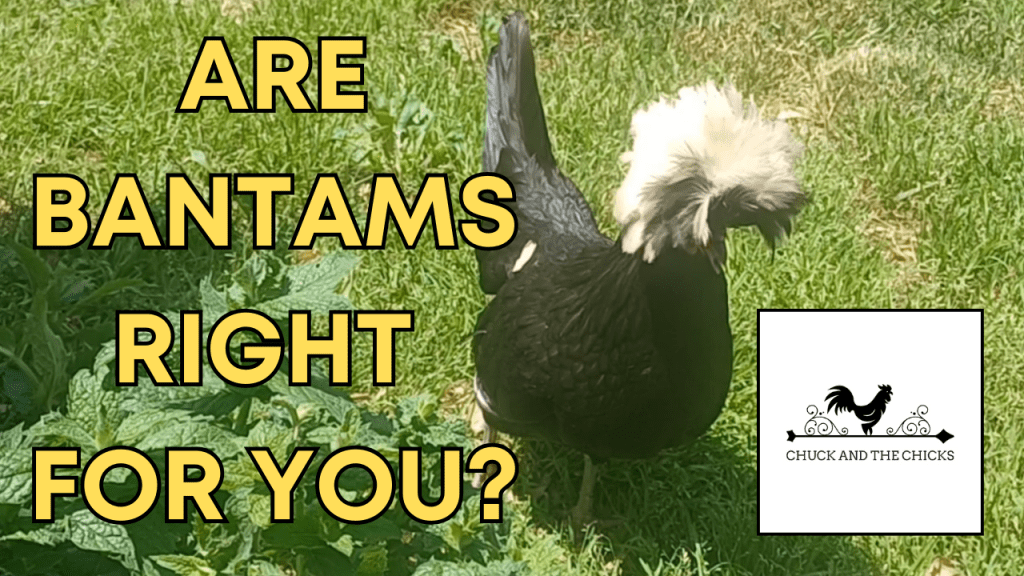
Are Bantam Chickens Right For You?
Bantam chickens can be an amazing addition to your backyard flock. They have beautiful plumage, bright personalities, and with their miniature size they consume less food and create less waste than their full-size counterparts. Bantams are considered companionship and show birds and are not practical to raise for high meat or egg production because of their small size and lower levels of egg production. Bantam chickens are great for small urban homesteads or any situation where space is at a premium because they can thrive with essentially half of the resources required by standard size birds including space. Bantams are a great fit for families with small children as many breeds have docile personalities and their smaller size comes with additional safety. With thoughtful consideration and planning, bantams can be incorporated into existing flocks with standard size birds. They also are a great fit for people who are less concerned with high egg or meat production and who would enjoy a low maintenance companionship chicken.
Bantams come in 3 varieties. True bantams have no larger counterpart. These include breeds like the American Game bantam, Bearded d’ Uccle, the Sebright, and the Serama. Miniature bantams have larger counterparts like the Orpington, Polish, or Barred Rock. Developed bantams are a category of bantams that was bred specifically for their appearance and function like the Belgian, Pekin (Cochin), and Japanese bantams. These lists are not complete, there are many more varieties in each category.
There are varieties within each breed of bantam that vary in size, comb style, and appearance. Bantams are not necessarily smaller versions of their larger chicken counterparts but instead can be separate breeds entirely that have been bred to appear like their larger counterpart. Some bantam varieties have the dominate bantam dwarf gene meaning their offspring will be bantams while other varieties do not.
Bantams require approximately half of the resources of the standard size chicken. The recommended space requirements for bantams are: 2 square feet of coop space per bantam and 4 square feet of run space. They will require 6 inches of roosting space per bantam. Their nesting boxes can also be smaller 10”x12”x10” inches.
Like their standard size counterparts bantam hens will need at least one nesting box for every 4 hens. Bantam varieties are considered ornamental and companionship birds, they are not bred for high egg production or meat production. Many bantam varieties mature much, much slower than standard size chickens and many not begin to lay eggs until they are almost a year old. Bantam eggs are by nature smaller. 3 bantam eggs is considered the equivalent of 1 standard size chicken egg in recipes. Even though they’re quite small bantam hens make excellent devoted mothers to chicks of any size. Many chicken enthusiasts keep bantams in their flocks specifically for their ability to hatch eggs and raise chicks.
Bantam varieties are known for being quick, agile, and flight prone so if you will be keeping them in an urban setting or in any situation where you are concerned about them flying out of their safe designated area you should consider construction of a wired enclosure for them. Bantams prefer roosts that are at least one foot off of the ground or higher. They can sometimes seek out very high roosts and are known for their curiosity and big personalities.
Feeding and watering bantams requires food and water stations that are adjusted to their small height. If you have a mixed flock, varying the levels of feed and water stations, as well as having multiple stations makes it easier for your smaller flock members to eat and drink. It is also recommended to serve bantams crumble style or mash style feed as this is easier for them eat. Bantams enjoy treats just like standard size chickens do, but just like their smaller food requirement, they need smaller amounts of treats. I limit treats to 3 times per week to avoid creating a nutritional imbalance. A complete poultry food that is appropriate for their breed is recommended to help them obtain adequate and appropriate nutrition they need to thrive.
Most bantam varieties are not considered climate hardy meaning they are much more sensitive to extreme heat and cold. Knowing this extra care should be taken when developing their infrastructure. Bantams may require additional and intervention care in extreme heat and extreme cold. Some climates are too extreme for bantam breeds to thrive.
If you’re planning on incorporating bantams into an existing flock of standard size chickens, it is helpful to raise your bantams with a few standard size chickens in the brooder so when they are introduced to the established flock, they are introduced alongside other standard size chickens that have already accepted their presence. Like adding any new addition to the flock providing your chickens with as much space as possible also helps reduce bullying. Creating obstacles and hiding places for your smaller chickens also gives them options when evading pecking order scuffles. Don’t assume because they’re the smallest flock members that they will also be the lowest in the pecking order. Not unlike small dogs, bantams may have small bodies but many have big personalities!
I hope this has been a helpful starting point for your research regarding whether bantams are a good fit for your situation. Check out Chuck’s other social media for more backyard chicken and homesteading content.
 Chuck and the Chicks