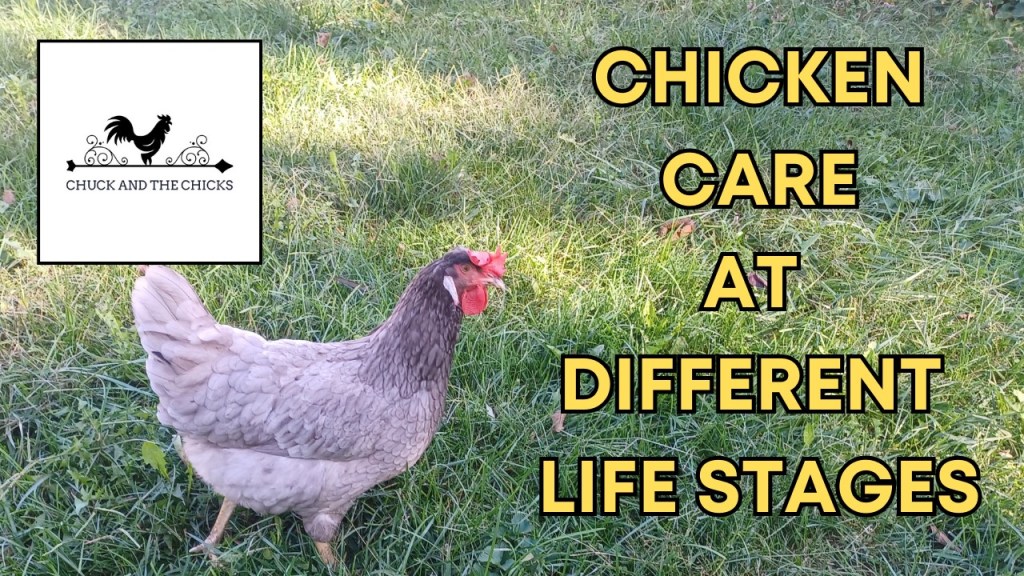
You will notice once you have adopted your first chickens that their needs will change as they progress through their different life stages. Many flocks will begin by bringing home your first chicks. It’s important to choose a breed of chicken aligned with your flock’s purpose: egg layers, meat birds, dual purpose birds, show birds, or companionship chickens. Chickens can serve multiple purposes.
It’s important before bringing home your first chicks that their brooder, the protected area where they will spend the first 8-10 weeks of their life, is already set up. For many chicks, their experience either being sent by mail or being stored in crowded bins is very traumatic and difficult for them physically. It’s advisable to give your new baby chicks at least 2-3 days undisturbed in their new home before handling them to allow them to acclimate to their new surroundings. It’s recommended your brooder provides at least one square foot of space per chick. The side walls should be at least 24 inches high. You will want to cover the brooder with a hardware cloth top or screen lid to keep out predators both indoor and outdoor. There are advantages to keeping your brooder indoors for example in a bathroom or brooding your chicks outdoors in a finished barn or garage. Either way, your brooder will need daily maintenance and regardless of its location, your brooder will be messy. Babies of any species are messy. Indoor pets should be kept away from fragile baby chicks to avoid accidents. **Young children should only interact with baby chicks with adult supervision.
You will want to provide them with the largest brooder space you feasibly can because you will be amazed how quickly your chicks will grow. Overcrowding can lead to undesirable behavior like bullying and pecking even in young chicks. Your baby chicks will need a food dispenser with chick starter grower feed, chick grit in a separate container, a water dispenser, and a heat source. You will need to line your brooder with either puppy pads, paper towels, or pine shavings. Slick cardboard, newspaper, or plastic surfaces can cause your baby chicks to slip and fall causing injuries like splay leg, injured joints, or broken toes. I highly recommend using a baby chick electrolyte packet when you first bring your chicks home. Most hatcheries and box stores will sell this hydration packet with your chicks or you can purchase it separately. Unless you only intend to ever raise one batch of chicks, I highly recommend investing in a panel heater as opposed to a heat lamp for your chick’s heat source. Heat lamps are a more economical alternative but they pose a very real fire hazard and need to be checked more frequently. Purchase an economy thermometer to place inside the brooder with your chicks to monitor the brooder temperature. The brooder temperature should be between 90-95 degrees F and then you reduce the temperature by 5 degrees each week as the chicks grow by adjusting their heat source. You will need a panel heater or a heat lamp. LED bulbs do not provide the heat that baby chicks require. Your chicks will require less heat over time as their downy chick fuzz is replaced by feathers.
If your chicks are comfortable, they will be active and explore their entire brooder. Healthy happy chicks eat and drink. If you notice the baby chicks are constantly huddled under their heat source and not moving at all, they are likely too cold. If you notice your chicks are visibly avoiding their heat source and trying to escape it, they are likely too hot. If you are lucky enough to have a broody hen who is willing to hatch and raise her own chicks, this is the ideal. Nature knows best. However, for many, you will instead do your best to provide for the things that the mother hen would do naturally. Once your chicks are fully feathered usually between 8-10 weeks of age, they are ready to be outside. Your chicks need a full set of feathers before they can regulate their body temperature in outdoor conditions.
Ideally before bringing your first chickens home, you have already constructed and prepared their chicken area and infrastructure. You will not be able to complete construction quicker than your chickens can grow. 8-10 weeks is a little over two months. Most chicken area plans will take more time than that to complete. As adult chickens your flock will need a safe predator proof coop, roosts and perches, clean nesting boxes, and space to exercise and explore. If possible, I highly recommend including a run in your chicken plans. A chicken run is a protected exercise and activity area which provides your flock with safe space in addition to their coop to complete natural activities like perching, scratching, exploring, and allows them to remain active. Even if you have the option of free-ranging your chickens, allowing to access to pasture, a run can be still be useful during extreme weather or during days when free-ranging might be unsafe for your chickens. Newly revised recommendations for space for backyard chickens suggest your chickens should have at least 5 square feet or coop space and 10 square feet of run space per standard size chicken. Bantam breeds will require approximately half of that. Larger, heavier breeds will need more space. Adequate space paired with timely regular cleaning and maintenance are imperative to your flock’s overall health. Crowded flocks demonstrate undesirable behaviors like aggression, pecking themselves and other chickens, and in extreme cases even cannibalism. The more space you can provide your flock, the healthier, calmer, and happier they will be.
Your chickens will need food and water stations. I highly recommend creating multiple food and water station to reduce bullying and aggression around food. You will need to provide chicken food that is appropriate to your chicken’s purpose. Egg layers, meat birds, baby chicks, and elderly chickens all have different nutritional needs. Feed a chicken food that is appropriate for your chicken’s life stage and purpose. Limit treats to 3 times per week to avoid creating a nutritional imbalance. Chicken food like corn or scratch grains are chicken treats and not complete poultry nutrition. These kinds of chicken foods should be provided as treats and not as a substitute for complete layer food. Corn and scratch grain don’t contain the necessary protein or calcium required by healthy laying hens and without these important nutrients you will see symptoms such as being egg bound, soft shells eggs, or other signs of ailing health. These symptoms can often be linked to inadequate or inappropriate nutrition. If you are moving your chickens on fresh pasture daily, they will be able to forage for their own grit. If your flock will be living partially or in fulltime confinement, you will need to provide poultry grit in a free choice container separate from their food. I also provide calcium supplement in the form of oyster shells for my flock to promote healthy strong egg shells and strong feathers. Chickens don’t chew their food. They break down food in a body part called the gizzard. Grit combines with the food in their crop which is part of their throat and then in their gizzard which is part of their digestive system to help them break down the food and digest it properly. Grit also helps their crop from becoming impacted from ingesting too many fibrous materials.
You will need to decide on a maintenance schedule and litter method whether that is deep bedding method or spot clean and scoop method. In either method your litter will need to be changed in entirety annually to prevent harmful pests and bacteria from lingering in your litter from season to season. Removing droppings in a timely manner is part of responsible chicken care. Failing to remove excess droppings in a timely manner causes or exacerbates many chicken pests and diseases. Your adult chickens will need predator proof housing, chicken food, water, grit, I also recommend calcium supplement, roosts, perches, nesting boxes, and to be cared for with timely daily and seasonal maintenance. Your chosen chicken breed will determine how soon your chickens begin to lay eggs. Some breeds of chicken will begin to lay eggs as early as 4 months. Some ornamental breeds may not lay eggs until they are a year old because egg laying was not a trait that was prioritized in that breed. It’s important to pick a breed of chicken suited to your intended purpose and that can thrive in the typical weather conditions of your region.
It’s important to have a long-term flock plan. Bantam chickens typically live up to 4-8 years old. Standard size chickens typically live 5-10 years. Some breeds can live even longer. Elderly chickens will require additional consideration. Your chickens will likely experience their physical prime somewhere between 2-4 years of age. As they age, your chicken’s production will naturally decline. Your hens will still lay eggs for many years beyond their prime, just not as reliably. After two years of age chickens are typically considered stew chickens if you intend to process them for meat as the meat changes as the animal ages. If you intend to support your chickens into old age and allow to them pass naturally, they will appreciate the following accommodations. Multiple food and water stations will make it possible for older members to eat and drink without harassment. You may consider switching to a maintenance style or all flock feed as your flock ages. Older chickens benefit from lower roosts and perches and wider roosting spaces like platforms, ramps, and bales of straw as their ability to climb, grip, and jump lessens with age. You may also consider switching from pellet to crumble style chicken food as crumbles are easier for older chickens to consume. There are also optional treats and supplements for aging chickens. Older chickens are subject to many conditions associated with age and decline like arthritis. Your older flock members can still provide many useful services even if the height of their productivity is behind them. Older flock members tend to be more docile; they can still be excellent parents and mentors, they still provide pest control by eating insects, and teach valuable skills to younger flock members. Caring for and feeding a flock as they age can be expensive. It’s important to plan ahead for what you will do as your chickens age.
Caring for a backyard flock is a multiple year journey full of rewarding, enriching, and amazing moments. With proper equipment, preparation, care, and forethought, caring for your backyard flock can be a source of limitless joy for your and your family. Be sure to acquire at least one beginner chicken care guidebook before beginning your chicken care journey so you are prepared with reliable information to better tend to and care for your flock. Don’t rely solely on online resources. Beginner chicken guides are readily available at your local library, your local agricultural office, farm box stores, and can be purchased online. They include helpful information like coop and run plans as well as poultry first aid and other care tips. Even as a seasoned chicken owner I still refer to my care guides often. More than anything your chicken’s need you to have a learning attitude and a willingness to grow as you care for them. With a little preparation you can avoid many costly and tragic first-time chicken owner mistakes.
I hope this was a helpful starting point to your research about backyard chickens and their different life stages. Check out Chuck’s other social media for more backyard chicken and homesteading content.
 Chuck and the Chicks