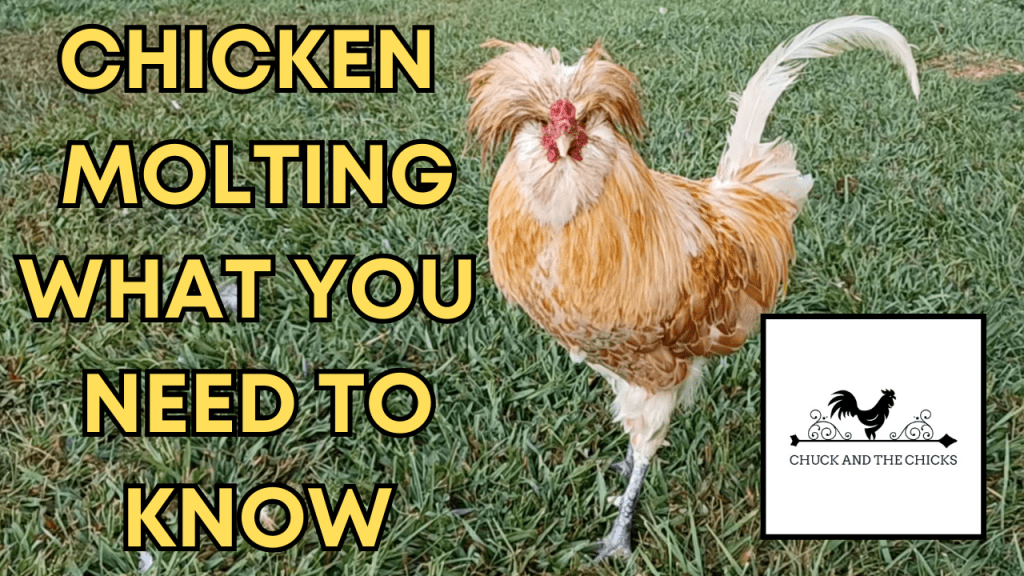
Chicken Molting What You Need To Know
The fall season is here. Your flock is impacted by seasonal changes and the shortening days leading up to winter. Annually, chickens experience a process called molting. Molting is when your chicken will shed their old and damaged feathers and regrow new ones in preparation for the winter season. This makes sense because damaged feathers would be less effective at keeping them warm than new ones. The molting process impacts your chickens’ health, nutritional needs, and laying cycle. During molt, your chicken’s body will prioritize replacing their lost feathers and they will likely slow down in their laying process or stop laying eggs completely. Some chicken owners refer to it as a laycation, that is, a temporary break from laying eggs. Don’t worry! Egg production will resume once the molting process is complete. Remember, your chicken’s laying cycle is naturally impacted by the length of the day. Your chicken’s egg production will decrease as the days get shorted leading to the winter solstice and then it will resume and pick up as the days get longer. *Please do not attempt to manipulate your flock’s laying cycle using artificial light. This causes stress, it can lead to premature death and other health issues, and can reduce their lifespan by as much as half*. There are many ways to preserve your summer and early fall season abundance of eggs so you can continue to enjoy and use them all winter long.
The severity and length of your chicken’s molt is going to vary drastically from chicken to chicken and breed to breed within your flock. Some chickens will experience a hard molt which is when they drop almost all of their feather all at once, appearing almost naked. Others will molt in sequential patches, starting at their head and working through their body. The length of molting also varies. The average molting process can last anywhere from 1-4 months depending on the severity, nutritional regimen, general health, and environmental conditions a chicken is subject to. Chickens prior to beginning their molt will begin to look dull as their plumage loses luster in preparation for the molting process. Their feathers might appear to look dirty or slightly discolored.
It is important not to intervene in the molting process. While it appears unsightly, chickens will shed their damaged feathers as part of their normal grooming and preening process. Do not pull or cut damaged feathers. Intervening could seriously harm your chicken, delay, or prolong the molting process. It is unsightly, but your chicken’s will progress through molt as part of the natural process.
New feathers will begin to form which are called pin feathers, sometimes called blood feathers because they will still have a blood supply that is needed to complete the feather’s growing process. Blood feathers especially around the vent and back are tempting for other flock members to peck especially if they are underfed or malnourished, craving larger amounts of protein because of their own molting process. To deter unwanted pecking or cannibalism during this time ensure you are feeding your flock adequate and complete nutrition during the molting process. Over the counter no-pick, pick deterrent-colored sprays and creams are also available at farm box stores for use in severe cases. Each newly emerged feather will be covered in a sheath of keratin which your chickens will open as they preen and groom themselves.
You can help your chickens get through molt in the following ways:
Provide supplemental protein. You can add higher protein content to their diet when your flock is experiencing molt. You can add components like all-flock feed (which is 20% protein) or a cup of cat food as a treat. Other high protein treats include things like meat table scraps, fly larvae, and meal worms. Provide these high protein treats in addition to your regular complete chicken feed, not as a substitute. You can also switch to a specialty molting poultry feed mix during the molting process. While feeding both pulverized shells and scrambled eggs back to your chickens is a great way to give them a nutritional boost, I highly advise NEVER feeding your chickens egg components that are still recognizably in egg shape. This can lead to egg eating behavior which once this behavior starts it is almost impossible to stop. If you feed your chickens eggs in any form, make sure they are prepared in some way and unrecognizable as an egg to them.
Provide calcium and grit supplement in a free choice feeder or dish separate from your chicken’s food. Calcium is an essential component to rebuilding lost feathers and producing strong egg shells. Grit helps your chickens digest their food effectively to ensure they receive the maximum nutritional benefit from their food. You can also bake and pulverize your own eggs shells to feed back to your chickens as a calcium boost assuming they are not already calcium deficient.
Provide your chickens with a dust bath. Your chickens need access to a dust bath year-round as part of their general environmental and health needs. If they have access to yard or pasture, they will likely create their own. If they are living in confinement full time you can easily create one with a chicken safe container, one they can easily get in and out of, clean fill dirt, wood ash (from non-chemical treated wood), and food grade diatomaceous earth (NOT the pesticide kind). Access to a bath will aid in your chickens grooming process and general health. If you don’t have access to these components on your homestead or in your home they are all available to be purchased by the bag from farm box stores and online.
Regular chicken cleaning and maintenance. A clean and well-maintained environment is the cornerstone of your flock’s health and productivity. Clean roosts, perches, nest boxes, nest box lining, and cover litter in a timely manner. Be sure to do a deep seasonal clean prior to experiencing freezing temperatures if that is a factor in your area. Clean well maintained chicken environments contribute to flock health, happiness, and harmony.
Molting outside of the seasonal norm can be caused by stress, starvation, dehydration, or disease. Stress and neglect induced molting is normally only partial and not accompanied by a drop in egg production. Molting should also not be confused with a mite infestation. Mites are a parasitic insect which feeds on your chickens. You would see evidence of mites on your chicken housing, nest boxes, or roosts in the form of small moving dots. Mites if present will congregate on your chickens around areas like their vent, their feather shaft directly against their skin, under their wings, their legs, feet, and eyes. Feather loss from mites is a sign of serious infestation and not part of the natural molting process.
Your chickens have supported you throughout the year. Fall season molting and winter are times when they will require a little extra support from you to be at their best. With proper support and a healthy clean environment, your flock will get through molt as quickly as they can and resume being happy productive chickens.
I hope you found this information helpful! Check out Chuck’s other social media for more backyard chicken and homesteading content.
https://www.youtube.com/channel/UC6CjdDVs4qN1xxxJXAH6sOg?sub_confirmation=1
 Chuck and the Chicks