5 Herbs That Are Safe For Chickens
As a homesteader and backyard chicken owner I’m always on the lookout for a holistic solution to feeding and caring for my chickens. I use store brought processed feed and when necessary, I do use chemical interventions. However, I actively look for ways to improve and supplement my complete chicken feed and I’m interested in natural preventions that can help maintain my flock’s health. I supplement my store brought chicken feed with a combination approach and I feed healthy kitchen scraps, garden produce, and homemade treats to my chickens 3 times week. I consider chemical interventions a last resort and I look for natural alternatives whenever practical or possible. I don’t hesitate to use a chemical intervention if it’s required. So many chicken ailments and health issues are entirely preventable through solid hygiene, care, and maintenance routines coupled with proper nutrition and responsible livestock animal care. You can benefit from natural solutions without having to completely reject all other forms of remedies. I’m not suggesting these herbs are a replacement for other forms of care or treatment. My flock does best when benefiting from both realms of knowledge. This is by no means a complete list of herbs that are safe for chickens, but it is a starting point for your research. Here are 5 common herbs that are safe for you and your chickens and their possible uses.
*Disclaimer. I am not a veterinary professional. The information provided here is for enrichment, educational, and entertainment purposes only, it is not meant to be a substitute for professional services of any kind.
Basil-Basil has antibacterial properties. It can be used as part of solution to repel flies and mosquitos in your coop and run. It can be fed to your flock in addition to their complete feed as a treat and immunity booster.
Cayenne-Cayenne can be used to stimulate your chicken’s appetite, digestion, and circulation. Many forms of homemade chicken treats suggest adding a teaspoon of powdered cayenne to the treat recipe to help chickens stay warm in cooler temperatures. Cayenne is safe for your chickens to eat but should not be applied to them topically as it is a very hot, caustic pepper and can burn their sensitive skin. Cayenne should also not be sprayed as part of a solution, as it is highly irritating to both human and animal respiratory systems.
Lemon Balm-Lemon balm is a natural insect deterrent. With its strong lemon scent, natural lemon balm can be added to your nesting box liner, coop, and run litter to deter insects.
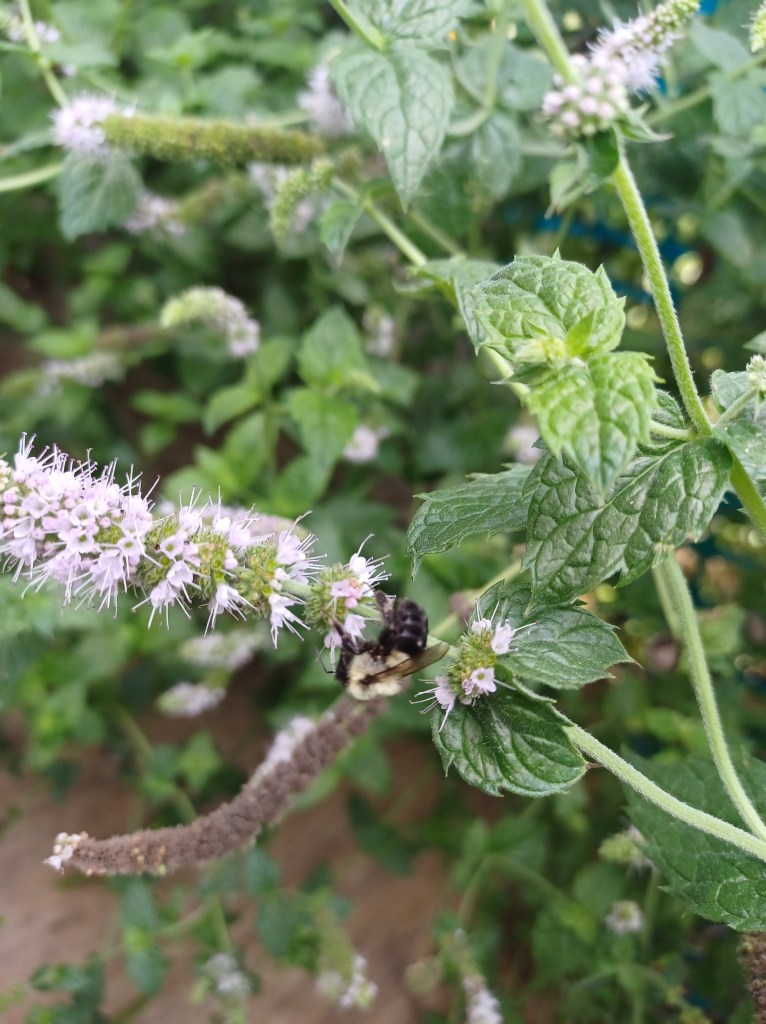
Mint-Mint is a natural rodent repellant. I add mint in addition to lemon balm to my coop and run litter to deter insects and rodents.
Oregano-Oregano can be added to your chicken feed, treats, or offered to chickens in addition their fresh water as an herbal tea. Oregano is thought to improve respiratory health and also to be an immunity booster. If you prepare an herbal tea for your chickens be sure to let it cool to room temperature before serving it to them in a livestock safe dish.
Herbs are not a substitute for necessary veterinary treatments and interventions. If your chickens or you begin to show signs of an allergic reaction, discontinue their use and consult a professional. Always do a spot test when applying any new products to your chicken area, natural or otherwise, to ensure your flock does not experience an adverse reaction. While the herbs above are safe for your chickens to consume they are not a substitute for nutritionally complete chicken feed. Like any treat they should be used in moderation. If your chickens decline to eat any herbs, do not force them to do so. Remove and dispose of any unused portions.
Note* Cayenne should only be eaten, never applied topically or sprayed!
Here are simple ways you can incorporate herbs into your existing chicken care routines.
*Create a solution with water and your chosen natural herbs and use it to freshen your coop, run, and nesting boxes. This same solution can also be used as a pest deterring perimeter spray.
*Use herbs to create an herbal tea and offer it to your chickens in a livestock safe dish in addition to their regular fresh water offering. Teas or any supplements you give your chickens should be offered in addition to regular, fresh water, not as a substitute. If you prepare an herbal tea for your chickens be sure to let it cool to room temperature before serving it to them in a livestock safe dish.
*Incorporate small amounts of these herbs into homemade treats or small batches of fermented feed to maximize their health benefits.
*Add dried herbs to your coop and run litter for their refreshing scents and pest deterring qualities. Mint and lemon balm are both safe to incorporate into your coop and run litter.
I hope this information is a helpful starting point for your research about incorporating natural herbs into your chicken care routine. Check out Chuck’s other social media for more backyard chicken and homesteading content.
https://www.youtube.com/channel/UC6CjdDVs4qN1xxxJXAH6sOg?sub_confirmation=1
 Chuck and the Chicks