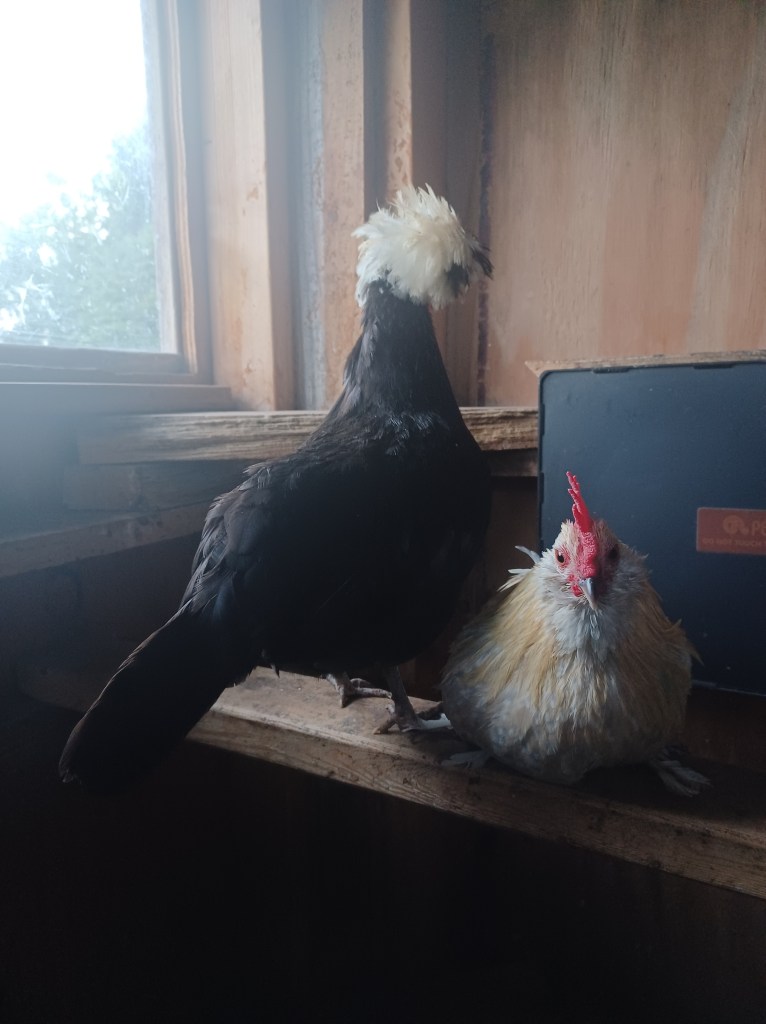
7 Tips For Flock Harmony
Peaceful, happy flocks are healthy and productive. Excessive aggression within your flock can lead to things like injuries, a drop in or loss of production, increased susceptibility to disease and pests, and in extreme cases even death. Especially for backyard flocks many are kept in smaller areas with some living in confinement full time. For flocks living without free ranging and in confinement year-round, harmony is especially essential. Here are 7 tips to promote and maintain inter-flock harmony among your backyard chickens.
- Space is key. Provide as much coop, run, and yard space as you possibly can. The bare minimum measurement for space per chicken among my backyard chicken community are 4 square feet of coop space and at least 8 square feet of run space per standard size chicken. Bantams will require approximately half of that. Larger, heavier breeds will need more space. These numbers reflect what is considered the bare minimum space for healthy and happy chickens. More space is always better! You can increase the space available to your backyard flock by utilizing moveable fencing, building a chunnel, or adding additional perches and roosts to your existing infrastructure. Structures like outdoor dog pens can also be modified to make additional space for your backyard flock to use. You can create multiple space options for less dominant flock members to hide by leaning a pallet against a wall, or overturning a laundry basket and create a door opening in it to create space for members of your flock who are lower in the pecking order to escape pressure from the flock.
- Hang feed and water dispensers in open areas. Have multiple food and water stations. Chickens organize themselves in a social structure called the pecking order. Dominant chickens are the first to eat and drink and also lay claim to the most desirable spaces. If the feed and water dispensers are in a congested space or tight corner, less dominant members may be discouraged from eating and drinking or miss out entirely. Multiple stations is open areas allows less dominant flock members to eat and drink without being bullied. Inadequate or poor nutrition can also increase aggression among your backyard flock.
- Make introductions carefully and minimize flock disruptions. Whenever you add or subtract new flock members, this is a significant form of stress for your flock. Even under ideal circumstances the flock must undergo a social reshuffle to incorporate new members. The sudden unexpected loss of flock members also has a similar effect. Introduce new flock members slowly over time with a planned acclimation process. A dog crate or hardware cloth enclosure can be used to familiarize new chickens prior to introducing them full time to the flock. If you will be increasing or downsizing your flock do so in a planned and intentional way. Frequent flock changes will cause aggression, feather pecking, feather loss, a drop or loss of productivity, and other undesirable outcomes.
- Choose friendly and docile breeds. Very similar to dogs, different chicken breeds are predisposed to different types of behaviors and demeanors. Also, different breeds of chicken were developed and bred intentionally for different purposes. Build your backyard flock with breeds that are known to be friendly and personable. Choose a breed that is appropriate for your intended purpose.
- Provide enrichment for your flock. Boredom is a form of stress for chickens. They are intelligent and inquisitive animals. Provide enrichment for your flock in the form of treats, toys, and additional safe perches and roosts. Enrichment does not have to be expensive! Safe kitchen scraps, fallen branch perches, or homemade treats all make great enrichment. You can also provide your chickens with a few choice parrot toys. Chickens enjoy them too!
- Guard your flock’s natural schedule. Chickens are diurnal meaning they are active from dawn to sundown and require a peaceful place to roost and sleep at night. Disruptions to their schedule like bright lights, loud noises, or a predator presence disrupting their sleep pattern can lead to aggression and significantly impacts their health and productivity. Ensure your flock has as much space as possible to roam during the day and that their coop space is dim and peaceful at night.
- Maintain and clean your chicken area. A poorly maintained chicken area full of mud and excessive droppings can lead to disease, pests, and aggression among your flock. Clean your coop, run, and nesting boxes regularly. Use a coop ground cover litter like pine shavings, coarse sand, or peace gravel in your run and refresh your ground litter in entirety on a regular basis. Spot clean heavily soiled or muddy areas between seasonal deep cleans. Refresh and clean your nesting box liner material as needed. Regularly remove droppings from perches, roosts, and accessories to avoid perpetuating diseases and pests. A poorly maintained chicken area not only is unpleasant but will detrimentally impact the health, happiness, and productivity of your chickens. A dry, clean, well maintained chicken area is essential to flock’s health and harmony.
I hope this information was helpful! Check out Chuck’s other social media for more backyard chicken and homesteading content!
https://www.youtube.com/channel/UC6CjdDVs4qN1xxxJXAH6sOg?sub_confirmation=1
 Chuck and the Chicks