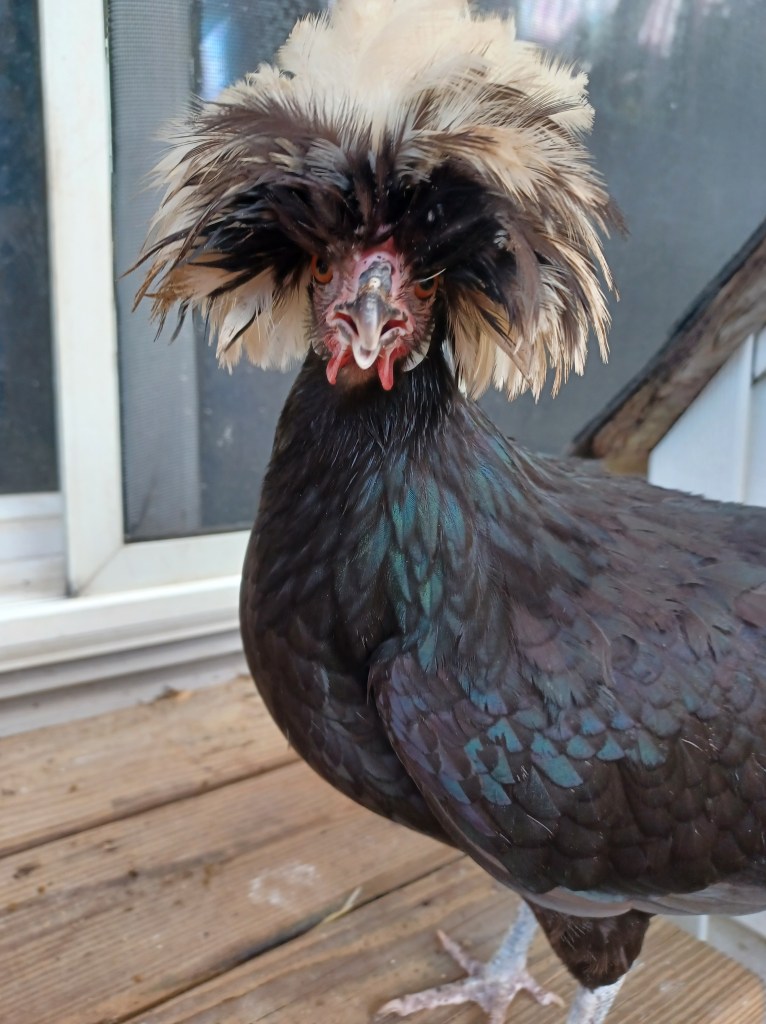
5 First Time Chicken Owner Mistakes To Avoid
Owning backyard chickens improved my quality of life. As an adult I had lived with food insecurity for decades and now with backyard chickens I know I have a safe, ethical, chemical free resource for clean protein for my family. Even after researching intently for a year prior to bringing my first flock home, there was still so much I had to learn as I worked and grew as a homesteader alongside my flock. Here some simple first time chicken owner mistakes to avoid when bringing home your first chicks or chickens.
- Not knowing the zoning laws of your area. While many areas are now receptive to people owning backyard chickens many areas still do not allow people to own roosters. There are also different regulations which vary state to state and neighborhood to neighborhood. Especially if you live within city limits, know the regulations that apply to your area prior to bringing home your first chickens.
- Not selecting the right breed of chickens. Often first time chicken owners will select chickens based on their feather color and patten and not know that every breed of chicken, similar to dog breeds, have been selectively bred for a specific purpose. Whether you want chickens for eggs, for meat, a dual purpose chicken, a companionship chicken, or a show chicken, there are different breeds which excel in those categories. Also, different breeds of chicken are tolerant to different kinds of weather conditions. It is important to pick a breed of chicken aligned with your chosen purpose that can thrive in the weather conditions that are common in your area.
- Overcrowding your flock. It is very, very easy to acquire chickens, it is significantly harder to rehome them. At minimum, adult standard size chickens require 4 square feet of coop space and 8 square feet of run space per standard size chicken. Bantams will require approximately half of that, and larger, heavier breeds will require more. These numbers are considered the absolute bare minimum. More space is always better! Overcrowding leads to a drop in productivity, disease, pests, feather pecking, aggression, and in extreme cases even cannibalism. You can alleviate overcrowding by doing things like adding additional roosts and perches, creating a chunnel, extending your chickens space with moveable fencing, modifying and expanding your chicken infrastructure, or rehoming or culling excess flock members. Please do not attempt to cull an animal without having conducted proper research about how to do so humanely and be sure to acquire the appropriate equipment.
- Not supplying your chickens with appropriate nutrition. Chickens have been bred for high productivity and are vastly different from chickens that existed even just a few hundred years ago. Without proper nutrition your chickens will suffer with things like egg deformities, poor productivity, poor health, poor feather growth, and aggression. I only offer snacks, treats, or kitchen scraps to my flock 3 times per week so I’m certain not to create a nutritional imbalance. I always offer treats and scrap in addition to a complete layer feed. I also provide calcium and grit supplement in a free choice dispenser. I have always fed my flock with the combination approach of kitchen scraps and complete layer feed, never just one or the other. Things like scratch grain while a fun treat for your flock is not a complete layer food. Corn is also a treat, not a complete layer diet. Your chickens need complete layer food, they are domesticated livestock animals and cannot survive on forage alone. Don’t be afraid to experiment with different brands and textures of layer feed when finding one that helps your flock flourish. You can also ferment your layer feed to save money and double the volume as well as nutritional availability for your flock. When fermenting feed for the first time, do a small test batch first to ensure it ferments well.
- Introducing new flock members too quickly. Eventually you will likely want to expand your flock. Unless the chicks are raised with the flock you will need to develop an isolation plan to ensure new incoming flock members are free from disease and pests. Additionally, you will need to acclimate new flock members to the existing flock prior to introducing them. I have a small hardware cloth enclosure that is perfect for introducing members where they have their own food, grit, and water and over the course of a few weeks I slowly introduce new members. You could also adapt a dog crate to serve a similar purpose. Chickens have a complex social structure called a pecking order. When you subtract or add chickens to the pecking order the flock will have to reorganize socially. Acclimating new flock members slowly allows existing flock members to slowly accept their presence. Introducing new members without an acclimation plan can lead to excessive aggression, injuries, a drop in egg production, feather pecking, or in extreme cases your new members might be bullied or killed by existing flock members. Introduce new members slowly and over a period of time. Even with gradual acclimation some pecking will still occur and that is normal. I only intervene if the pecking lasts longer than 30 seconds, one flock members is being singled out, or blood is being drawn. The time it will take to incorporate new flock members is going to vary flock to flock. I plan on at minimum two weeks, while some flocks or breeds may require a longer adjustment time.
Some other common mistakes include underestimating predator pressure in your area, not cleaning or maintaining your chicken areas, failing to collect eggs daily, not providing a dust bath for your chickens, and not investing in proper predator-proof infrastructure for your chickens. The more you can research prior to bringing home your first chickens, the better! Your flock needs you to have a growing and learning mindset. Even once you have your first chickens, keep learning and growing with other backyard chicken owners and agricultural experts. Chickens offer an opportunity for life long learning. The better care you provide for them, the better they can care for you in return.
Check out Chuck’s other social media for more backyard chicken and homesteading content.
https://www.youtube.com/channel/UC6CjdDVs4qN1xxxJXAH6sOg?sub_confirmation=1
 Chuck and the Chicks