Healthy Chickens Without Free-Ranging
It is possible to keep a happy and healthy backyard flock without free-ranging. If you have the option to free-range or allow your chickens to graze on fresh pasture daily, that is the ideal. However, for many, that is not a practical or possible. Maybe you have a small suburban flock with very limited space. Many the predator pressure in your area is just too extreme to allow free-ranging without great cost or danger to your flock. Whatever your reasons, it is possible to provide your chickens with a wonderful and fulfilling life even without free-ranging. It just takes a few extra considerations.
Our backyard flock is able to free-range reliably around 7 months out of the year. Our micro homestead is at a high elevation and in our region, we experience bitter, cold, long winters where the weather makes free-ranging impractical and impossible. This was a consideration when we built our chicken infrastructure that at least part of the year the flock would be living in their infrastructure.
If your chickens will be living in confinement most or all of the time, consider building your flock with breeds that do better in these types of conditions. Chicken breeds like Australorps, Orpingtons, Rhode Island Reds, Leg Horns, and Plymouth Rocks can thrive in confinement when given the tools they need to be happy and healthy chickens. Larger, heavier breeds are not meant to be kept in confinement. Also, consider bantams! While yes, smaller bantam breeds will lay a few hundred less eggs per year than a standard size chicken, they are reliable, fun layers that require less space and have other very wonderful traits.
Provide the maximum amount of space possible. To you, it’s your chicken enclosure and infrastructure. To your flock, it’s their whole world. If you think your flock will be living mostly or exclusively in their chicken enclosure provide them with as much space as you can. The space recommendations for this kind of flock management are at least 6 square feet of coop space per standard size chicken and at least 10 square feet of run space per standard size chicken. The more space you can provide for your flock, the better. You can extend the spaces available to your flock by adding a chunnel, a protected chicken tunnel, or other additions that are accessible to them during the day for more autonomy of movement.
Keep a smaller flock. With less space it is recommended to only keep the number of chickens you can accommodate in your infrastructure in a healthy way especially if they will be living mostly or exclusively in their infrastructure. Overcrowding causes disease, stress, loss of productivity, aggression, and in extreme cases even cannibalism.
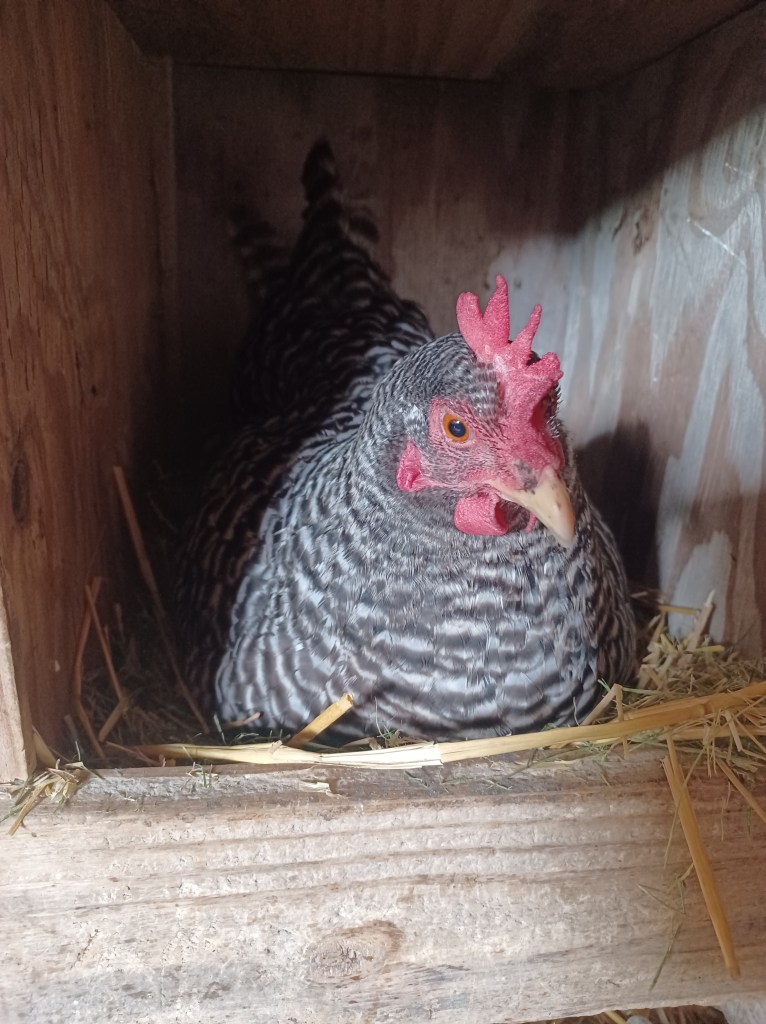
Invest in additional infrastructure such as a coop and a run. The coop is the predator proof enclosure where your chickens will sleep at night. In our set up this also where our nesting boxes are. The run is a protected exercise area that will give your chickens additional options for movement and activity during the day. Use hardware cloth on your coop construction to protect your chickens from predators while they sleep. Your infrastructure should have a sturdy roof to protect your chickens from the elements. We also provide walls on our run during the winter months. Your chicken space should be well ventilated, fresh air can move through the space, but not drafty, as in wind, snow, and rain should not be falling directly on your chickens especially if they’re in confinement without any options for shelter.
Provide your flock with multiple kinds of roosts and perches. Your flock will instinctively roost at night for safety but perches and roosts also provide enrichment for your flock during the day, allowing them different places to climb and perch. You can build roosts and perches from 2x4s, scrap lumber, or fallen branches as long as they are thick enough. Remove any sharp edges from objects you are providing for your flock to perch or roost on.
Prioritize cleaning. Living in confinement means that droppings will accumulate quickly in your chicken areas. You will need to develop a sound daily and seasonal cleaning routine to maintain your flock’s health and wellness. Accumulated droppings pose a threat to your flock’s wellness. Clean and maintain your coop and run regularly to keep your flock healthy and productive. Scrap droppings from perches and roosts. Refresh nesting box liner as needed. Refresh and replace your ground cover litter appropriately.
Use a ground cover litter. Without free-ranging whatever area your chickens are being kept in will soon become a mud pit. Mud can harbor pests as well as contribute to conditions that cause frostbite. Choose a livestock safe ground cover that works for your region like pine shavings, stone pea gravel, or coarse sand. Your ground cover will need to be spot cleaned and changed annually in entirety to keep it from harboring pests from season to season. I don’t recommend mulch due to the sharp pieces, dyes, and impracticality of scooping it. There are many better more live-stock friendly choices.
Provide a bath in your chicken enclosure. Access to a bath is part of how your chickens keep themselves healthy. Dust bathing is how chickens remove dirt and other harmful things from their skin and feathers. I fill our dust baths with clean fill dirt, wood ash that is free from chemicals, and food grade diatomaceous earth. If you don’t have access to clean fill dirt or safe wood ash in your area these things can be purchased by the bag. Food grade diatomaceous earth can be purchased online as well.
Provide multiple food and water stations. Chickens organize themselves in a social structure called the pecking order. Multiple food and water stations allows members of the flock with less standing to eat and drink without being harassed by more dominant members of the hierarchy.
Provide grit and calcium supplement. While chickens on pasture would able to forage their own grit without the option to free-range regularly or at all, you will need to provide these things to your flock for their health. Grit allows your chickens to break down their food properly in their gizzard to obtain the maximum amount of nutrients possible from their food. Calcium supplement supports strong egg shells and feathers. Provide these supplements separate from their food, and they will eat and ingest them as they need it.
Use treats as a form of enrichment. Healthy treats a few times a week helps break up boredom for your chickens and they can spend hours dismantling a vegetable on a string. You can also do treat treasure hunts and hide treats in their enclosure for them to discover. Remove any uneaten treats or dirty livestock dishes at night to avoid attracting predators. If it’s at all possible build your chicken structure large enough for you to be able to walk through it and spend time with your chickens in their space.
Even without free-ranging you can provide your backyard flock with an amazing and fulfilling life. With a little extra work, you can keep their space clean, inviting, and amusing for them to maximize their happiness, health, and productivity. With effort and planning, even without free-ranging if that just isn’t possible where you are, you can still give your chickens a great life.
Check out Chuck’s other social media for more backyard chicken and homesteading content.
https://www.youtube.com/channel/UC6CjdDVs4qN1xxxJXAH6sOg?sub_confirmation=1
 Chuck and the Chicks