Fresh eggs daily is one of the most amazing parts of owning backyard chickens. Having a safe and reliable food source for your family is a life changing improvement. You may have heard different instructions about the best way to clean and store the fresh eggs your flock works hard to provide for you. I’m going to share what I do to keep my eggs fresh and ready to use as well as tips for keeping your eggs clean from start to finish.
Healthy clean hens lay healthy clean eggs.
While no chicken environment is sterile, keeping your coop and run clean will reduce the likelihood you will have excessive dirt on your eggs. A clean chicken environment contributes to your chicken’s health, happiness, and productivity. Address any muddy areas in your coop and run with a safe livestock ground cover like pine shavings. Cleaning the places your chickens roost and walk like their ramp and their roosts reduces the amount of dirt they will track into their nesting box.
Perform regular health checks on your flock. Regular health checks are an important part of maintaining your backyard flock and preemptively addressing any issues. Excessive droppings on your eggs can be an indicator of a health issue like worms or other types of health conditions. While a small smear of blood when a hen first begins to lay is normal, excessive, repeated spots of blood could an indicator of health issue such as a prolapse, a torn vent, or other possible health conditions. Provide your chickens with a dust bath to give them the tools they need to maintain their hygiene and overall health. Clean eggs start with a clean and healthy chicken.
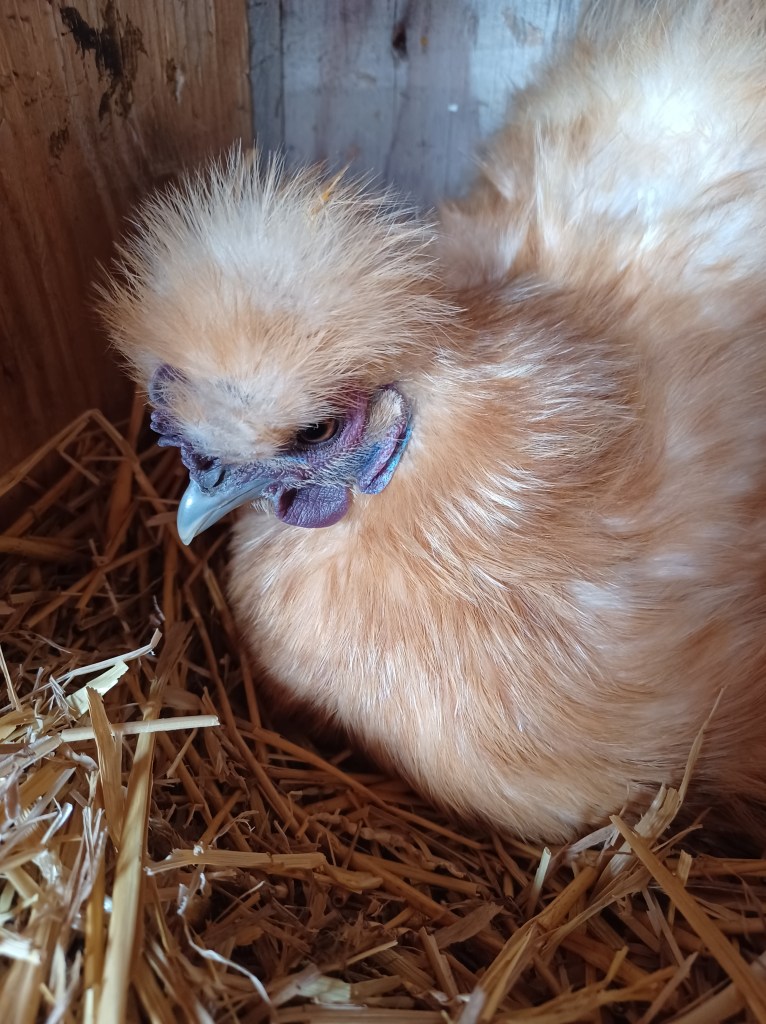
Maintain your nesting boxes as needed with fresh box liner, whatever type you have chosen. I use straw in our nesting boxes but you can use pine shavings, premade box liners, or even gathered leaves and grasses from your yard as long as they are totally dry and free from any yard chemicals. Provide your chickens with ample roosts that are higher than their nesting boxes so your chickens aren’t tempted to sleep in or on your nesting boxes.
Even with the best cleaning efforts you will still encounter some dirty eggs. Washing eggs is an effective way to remove dirt and droppings but it also removes the bloom which is the natural coating the hen’s body surrounds the egg with to protect it from bacteria. Whenever possible, if you feel the surface of an egg needs to be cleaned you can use a dry-cleaning method like a dedicated brush or scrubbing pad. Dry cleaning removes light dirt without damaging the bloom. Once the bloom is removed, your eggs will spoil more rapidly.
If the dry cleaning method isn’t sufficient to clean you eggs you can clean them with warm water. It’s important to use warm water as cold water causes the contents inside the egg to shrink which makes it possible in addition to the bloom being removed by the washing process for bacteria to permeate the shell and spoil the egg inside. Warm water is sufficient to clean your eggs. You don’t have to use natural castile soap or vinegar to clean the outside of the egg but you absolutely can if you choose to.
When you bring your eggs inside from the nesting boxes examine them for any damage. I would not recommend consuming any eggs with damaged shells because any break in the shell introduces bacteria to the inside of the egg. Eggs with broken shells can instead be used as compost or be cooked and made into food for other animals. Eggs with broken shells are not safe for human consumption.
Once eggs are washed with water, they require refrigeration. An unwashed egg will be safe to eat at room temperature in a temperature-controlled environment on the kitchen counter for up to a month, however, after 2 weeks the quality is impacted. For longer storage and for any washed eggs refrigerating them is recommended. Eggs will remain fresher longer in the refrigerator if they are stored in cartons because the carton keeps the moisture inside the egg from evaporating from inside the porous shells. Eggs which are refrigerated should be used within 5 weeks. Eggs are a perishable food item. The sooner they can be consumed from the time they were hatched, the better they will taste.
Everyone will have their own preferences for the correct cleaning and storage method of eggs. There are different ways to approach this kind of food preservation whether you prefer to store you eggs on the counter at room temperature or immediately wash and refrigerate them. Both methods are safe for your eggs, it comes down to personal preference.
Eggs can be frozen whole or as part of cooked food items like breakfast burritos. Freezing and thawing has an impact on the flavor of the eggs. Other preservation methods include glassing eggs, suspending them in a cooking lime solution for long term storage, or freezing them as liquid eggs in silicone trays with lids.
As part of maintaining your chicken environment, be sure you are collecting your eggs daily. Collecting eggs daily makes it easier to track which eggs were laid when. Additionally, collecting eggs daily makes it less likely any of your hens will be tempted to eat the eggs. Collecting eggs daily also helps deter predators from seeing your chicken area as an easy food source. Collecting eggs daily also helps to deter hens from broody behavior, when they change their demeanor and try to hatch the eggs, unless you are trying to intentionally encourage your hens to hatch eggs.
I hope this was helpful to you! Check out Chuck’s other social media for more backyard chicken and homesteading content.
https://www.youtube.com/channel/UC6CjdDVs4qN1xxxJXAH6sOg?sub_confirmation=1
 Chuck and the Chicks