Aggression within your backyard flock is a very undesirable behavior. Aggressive chickens can harm themselves, each other, and you. What factors make a chicken become aggressive and what can you do to address this?
Individual breed and bird temperaments will vary greatly. Some chicken breeds are known for being less hand tame and less friendly than others. Individual bird temperaments will vary too. Even among an especially friendly breed sometimes there is a chicken whose temperament does not align with their expected breed traits. Handling, health, and environment also all play a factor in your chickens’ temperament.
It is most important to understand that chickens do not behave aggressively out of meanness or out of malice. They are livestock animals who make choices based on instinct. If a chicken is acting aggressive it is not an emotional response but instead an animal attempting to address an issue with their instincts.
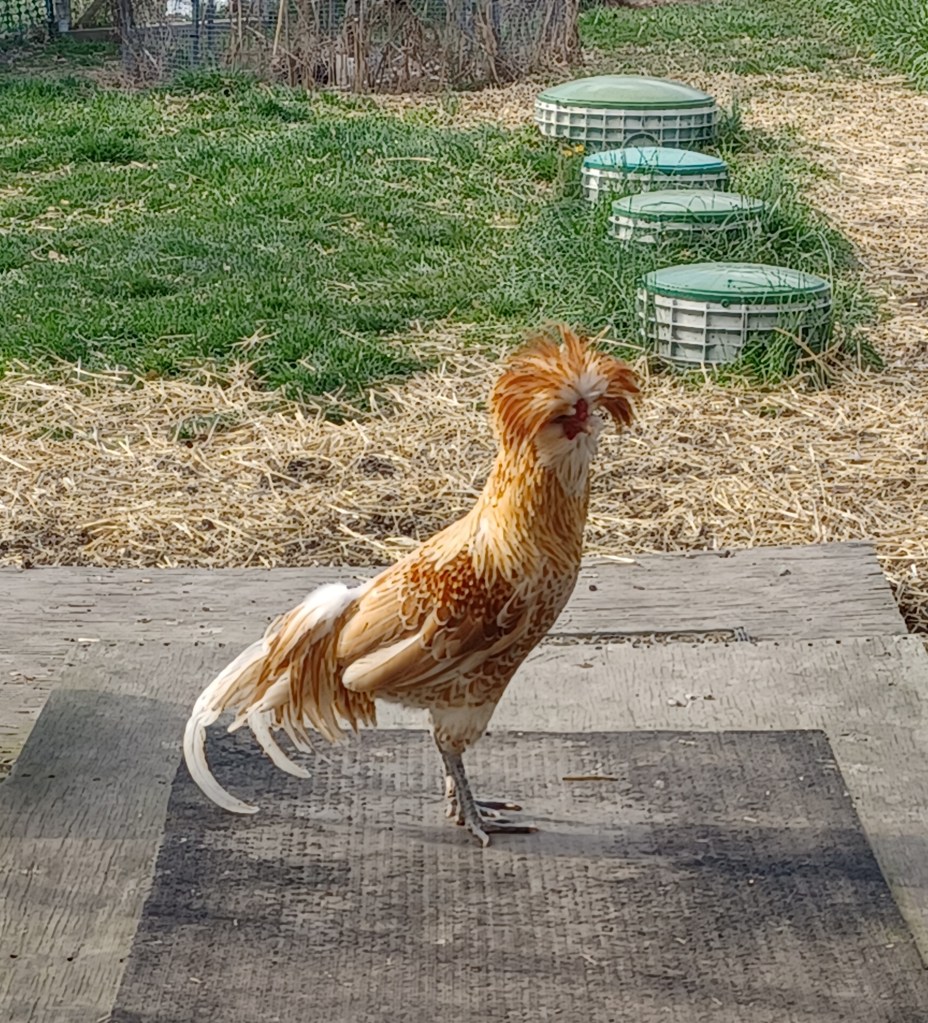
Roosters are most often wrongfully mislabeled as aggressive for demonstrating perfectly normal and natural behaviors in defense of their flock. Addressing aggression in roosters is its own topic, so I will touch on it lightly here and return to it more in depth at a later time. This is why I don’t recommend roosters for backyard flocks for families with small children. Roosters will interpret encroaching on their flock space, loud noises, and chaotic movements as a direct threat to the safety of their flock and will act accordingly. It is possible to hand tame and train roosters and they can make great pets however this takes dedication, time, and commitment. As a safety measure if this sounds like too much work for your situation and you have small children, I would highly recommend not adopting a rooster. Hens will lay eggs without a rooster. The role of a rooster is to protect his flock and service his hens to provide for the next generation. You do not need a rooster to get eggs from your hens. You will only need a rooster if you want one for flock protection or if you want fertile eggs which can be hatched into chicks.
Aggression within your flock should be addressed first as a possible medical or environmental issue before assuming the chicken has a bad demeanor. Chickens when their basic needs are provided for are calm, productive, happy animals. If you’re seeing signs of aggression here are some possible causes you may want to consider.
Inadequate space. This is an extremely common cause of unwanted aggression in backyard flocks. A standard size chicken needs 4 square feet of coop space and 8 square feet of run space. Bantams need approximately half of that and larger breeds will require more. These numbers are considered bare minimum. More space is always better! Without adequate space chickens will behave irritated, peck and pull feathers from themselves and one another, and in some extreme cases inadequate space can even cause cannibalism among your flock. If you suspect you have too many chickens in your current space here some are some possible solutions that may help.
*Expand their area if at all possible. There are many moveable and removeable fencing options to give your chickens more space.
*Create a chunnel, a chicken activity tunnel, to allow flock members more space options during the day. Plans can be found easily online.
*Provide your chickens with additional roosting space using constructed or foraged perches. Remove any sharp edges from perches to ensure they don’t harm your chickens’ feet.
*Provide regular enrichment activities. Bored chickens can become aggressive. Vegetables on strings, treat treasure hunts, safe toys and objects to climb are all possible low-cost enrichment ideas.
Competition for resources especially food. If your backyard flock does not have adequate access to proper nutrition this can cause a host of issues including aggression. Not enough food, or the wrong kind of food meaning unbalanced or incomplete feeding methods can cause aggression. *Forage alone is not sufficient to feed your backyard chickens*. While forage can provide for a portion of your chicken’s diet you have to provide feed for your backyard chickens. While ration feeding may appropriate for some situations like meat birds for example, I highly recommend free feeding your chickens, if possible, to avoid under feeding and aggression. Be aware chicken foods like scratch grain and cracked corn are not complete chicken feeds and should be given as treats, not as your chickens’ primary source of calories. Here are some feeding methods that have worked here on our micro homestead.
*Free feed your backyard flock if possible, using a low maintenance dispenser. I use hanging feeders but there are many, many designs to choose from. A livestock safe dish is also fine. If you’re filling a dish daily just be sure the portion you are providing is large enough to accommodate your flock. You may consider using multiple dishes if you’re using this method so your flock doesn’t compete for that one feeding dish. Remove dishes and any uneaten food at night to avoid attracting predators to your chicken area. Free feeding not only reduces aggression but also helps mitigate dangers like gorging and choking.
*Feed a nutritionally complete layer feed to your flock. Box store brand is fine! You can upgrade if possible and also you can ferment feed to increase the nutritional availability to your flock. If you are fermenting feed for the first time do so in small batch to make sure it ferments well. You can also supplement with kitchen scraps which are a nutritious treat and enrichment! Scraps are meant to be served as a treat, alongside your complete layer feed, not as a substitute.
*Provide multiple feeding stations. This is especially important in a mix flock when you have a combination of breeds and/or sizes of chickens. The pecking order and competition for food can be fierce. Providing multiple feeding stations ensures chickens with lower status within the flock also have an opportunity to eat without harassment.
Inadequate rooster to hen ratio. A rooster can reliably service up to 7-10 hens by himself. Multiple roosters will compete with each other for flock dominance. If your backyard numbers don’t reflect this ratio there are a few options you can consider.
*Construct a bachelor pad for your excess roosters.
*Add additional hens to your flock for flock balance.
*Responsibly rehome extra roosters.
*As a last resort, you can cull extra roosters. Please do not attempt to cull a chicken without doing adequate research about how to do so humanely.
Stress. A stressed flock will behave erratically, be less productive, and not live as long. Stress negatively impacts the entire health of your flock. Some forms of stress include adding new flock members, unaddressed predator attacks or harassment, inadequate space, loud noises or disruptions to their sleep schedule, inadequate or unsanitary housing, disease, and inadequate food. Chickens do best in a stable, safe environment where they have adequate space and resources. An inconsistent care routine or disruptions to their daily natural behavior can result in aggressive, unhappy, unproductive birds.
*Perform regular health checks on your flock. Be aware of any signs of distress among your flock including but not limited to: respiratory distress, signs of parasites, limping, any birds isolating themselves, unexplained feather loss, discolored combs and waddles, signs of blood, loss of energy or appetite, or any other concerning behaviors. Address the source of the ailments appropriately.
*Regularly clean and maintain your chicken areas. A clean coop and run preserves not only your chickens’ health but also contributes to a calmer demeanor as well as inter-flock harmony.
*Maintain a regular care routine. Create a schedule for your chicken care that is appropriate for you and your flock. Chickens thrive in calm and predictable environments.
*Make sure chickens aren’t being harassed at night. Nighttime predators and disruptions can cause significant distress to your flock. Investigate to ensure your chickens aren’t being woken up by visits from an undetected predator or other possible disruptions.
*Isolate especially aggressive members. Be aware any time you remove a chicken from the flock it impacts the pecking order. In some extreme cases it may necessary to isolate an especially aggressive flock member for up to 3 days in their own separate area with their own food, water, and grit and then slowly reintroduce the flock member. I would only consider doing this in extreme cases because again, any removal and reintroduction of flock members causes stress to your chickens.
*Spend time with your flock. One of the ways you can deter aggression in your backyard flock is by investing in spending time with your chickens regularly and consistently. If you only interact with your flock on a bare minimum basis your flock is most likely going to continue to see your presence as a threat. Regularly and intentionally interact with your chickens. Spend additional time during your maintenance routine just being in their space with them. You can try placing a lawn chair in their area and sitting with treats. Slowly curious flock members will approach you and this is an opportunity for positive interaction. If you sit calmly and quietly your flock will adjust to your presence and curious chickens will eventually approach you. Do this consistently and repeatedly to begin to tame your chickens and help them regard your presence positively.
*Culling is a last resort. In extreme cases only you may consider culling an extremely aggressive chicken. Please do not attempt to cull a chicken without doing adequate research about how to do so humanely.
I hope this information was helpful to you!
Check out Chuck’s other social media for more backyard chicken and homesteading content.
https://www.youtube.com/channel/UC6CjdDVs4qN1xxxJXAH6sOg?sub_confirmation=1
 Chuck and the Chicks