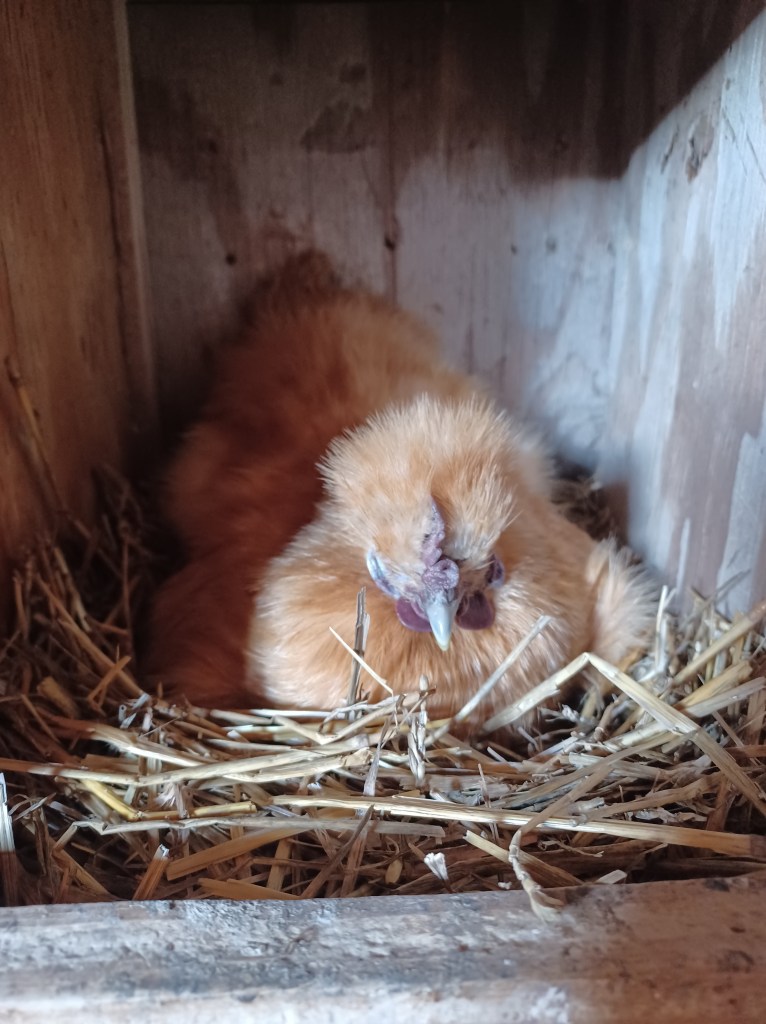
With the spring season arriving, rising temperatures means new life. This new life includes new predators as wild creatures will be reproducing and their efforts to provide food for themselves and their young will increase. More time outdoors while fun also means more chances of exposure to predators and other conditions that threaten the safety of your backyard flock. The following tips are ways you can protect and ensure the safety of your backyard chickens for a safe and happy spring season.
Fortify your coop with hardware cloth, if possible, bury hardware cloth along the perimeter of your coop as well. Hardware cloth is the best way to protect your chickens from predators. If you can only afford a small amount, use this to fortify their coop. Remember, when possible, to also line and bury hardware cloth on the perimeter of the coop to keep animals from digging under and into your chicken structures.
Provide chickens with a protected run area and remember to cover the roof and walls with hardware cloth if possible and chicken wire as an alternative. A run is a protected exercise and activity area for your chickens. Runs can be used during bad weather and also during times of increased predator pressure to protect your chickens. Many predators can climb! Take measures to protect your chickens from aerial and climbing predators by covering the roof area of their run with not only tarps but hardware cloth, chicken wire, or a finished constructed roof when possible.
Consider keeping and training a livestock guardian animal. Livestock guardian animals will require their own housing, food, and veterinary care. Farmers have worked for centuries alongside these extremely valuable animals to protect their flocks. Keeping a livestock guardian animal is a commitment to their care and training. Consider if this is a good fit for your backyard flock situation.
Pest deterrent sprays, powders, and scent balls. Many predators rely on scent to retrace their steps back to food sources. You can use pest deterrent sprays, scent balls, and powders to deter pests from finding your backyard appealing. These will have to be re-applied after it rains and on a regular basis to remain effective.
Motion sensor lights and cameras. Predators often are most active at night. Motion sensor lights and cameras can be used to monitor your chicken area to alert you to any predator activity.
Bring in any extra food, treats, treat containers, and water at night. Removing extra food and water from your chicken area during the evening hours discourages predators from viewing your chicken area as an easy stop for a meal. Consider storing these supplies in weather proof totes close to your chicken area and place them out in the mornings when your chickens are active and then store them at night when your flock roosts.
Create safe space for your flock to roost indoors only and in their safe coop. Outdoor roosting can result in a predator attack. Instinctively chickens will seek higher roosting places as evening nears. Allowing chickens to roost outside places them in danger from predator attacks. Provide your chickens with adequate roosting space in a safe coop which can be closed at night and opened in the morning.
Keep a rooster. Make sure you can legally own a rooster in your area prior to adopting or raising one. A rooster’s primary roles are to protect his flock and to provide for the next generation of chickens. Roosters like any intact male livestock animals require work and training to be hand tame and person friendly animals. They are not right for everyone and every situation. *I would not encourage families with small children to keep a rooster as a rooster can perceive the chaotic movements of children as an attack on his flock and become aggressive. One rooster can reliably service up to 10 hens. I love my roosters and consider them valuable members of our homestead for the amazing job they do. I know that I have had a positive experience with my roosters because I have dedicated huge amounts of time to training and handling them which is not practical or possible for everyone. Individual bird and breed temperaments of roosters will vary greatly. If you have a much smaller flock, roosters are illegal in your area, you have small children, or this sounds like way too much work, consider other pest deterrent alternatives.
Landscape intentionally around your yard and chicken area. Unkept brush, tall grasses, and weeds can all harbor predators. Intentionally clear areas around your yard and chicken area to deter predators. Consider planting predator repelling plants such a mint which discourages mice and other rodents from finding your chicken area appealing.
Fence your backyard chicken area. A properly built tall backyard fence does wonders to keep predators from encroaching on your flock. Line the bottom portions of your fence with chicken wire or hardware cloth, when possible, to provide your chickens with even more protection.
Close your chickens in their safe area at dusk. As the sun falls below the horizon predators become active. Promptly close your chickens up in their safe and protected areas at nightfall to protect them from predators. You can train your chickens to come to a call for a treat before they go into their coop to draw in any straggling flock members.
Collect your eggs daily. If your eggs build up in your chicken area this is an invitation to predators to come in for a snack. Collecting eggs daily is part of responsible and caring chicken maintenance.
Do daily perimeter and infrastructure checks. Once a day, mindfully observe your chicken area. Look all around their structures and their areas for signs of things like small or new holes, signs of digging or accumulated nesting materials, animal tracks, and unpleasant animal scents like urine marking or skunk smell. Don’t forget to look up and examine your structure ceilings! Snakes and other predators can also climb. When a predator strikes, it is rarely the first time they have visited your yard. Your vigilance, observation, and action can make the difference of life or death for your flock.
Leave an intentional hedge row or wildlife areas. This may seem counter-instinctive. Won’t wild areas draw predators to my property? In our lived experience we developed our homestead in such a way that we left an intentional wild life area far away from our chickens. I truly believe leaving this small patch of untouched woods for wildlife to exist in has in fact discouraged them from encroaching into our space in addition to the other measures I have done to make our yard less appealing to predators.
Place compost piles, trash cans, and other waste far away from your chicken areas. Many predators are scavengers and are looking for an easy meal. Make your chicken area less tempting by keeping things that draw them in like decaying food matter and trash far away as possible from your chickens.
Keep your chicken area clean and free from excessive mud and droppings. Unsanitary conditions like decaying bedding and litter, unchecked muddy conditions, and general filth are appealing to predators. Keeping your chicken area sanitary not only preserves the health of your flock but makes it less welcoming to predators who can make homes in decaying bedding and litter as well as easily dig under and into muddy areas. Use livestock safe ground covers which can be refreshed easily like pine shavings.
Line chicken areas with rocks. We have rimmed our chicken run with rocks from other areas of our property to provide additional protection to our flock and to discourage any predators from digging into their area. You can purchase gravel from your local farm store or gather rocks from your own property or by asking permission to gather rocks from someone else’s property. Don’t remove stones from public property. Never take landscape items off of private property without proper permission to do so.
Contact approved wildlife removal services. Some predators are protected species and it is illegal to kill them or remove them yourself. If you find yourself in this situation, contact your local official wildlife office to safely and responsibly remove protected animals from your property.
Know what specific predators are prevalent in your area. Knowing specifically what predators you may face in your region can help you further refine your prevention methods. In addition to researching on your own connect with local backyard chicken clubs and share effective predator prevention tips.
Use predator decoys, scare crows, and yard fascinators to deter predators. Many predators are territorial. Decoy owls and other fake predator statues exist which can be used to make predators think your yard is already claimed territory and they will move on. Predators are smart however and will notice if their competition never moves. If you’re using decoys be sure to change their placement occasionally to mimic the natural behavior of the predator they are imitating. You can also use items like scare crows and other yard art items specifically designed to make your yard less inviting to predators. I want to add for the record, crows have never, ever been an issue for our homestead. In fact, the local crow presence has kept predators AWAY from my chickens as crows and hawks compete for many of the same food sources, the crows drive the hawks away from my yard to protect their own interests.
Be present daily with your chickens. Just the motion and noise of human activity is a natural deterrent for many predators. Spend time with your flock daily and perform safety checks on your chickens especially in the evening. Just walking the perimeter of your yard at dusk can help alert you to and help discourage the presence of predators.
Redundant locks. Whenever possible, use multiple locks or different styles of latches on your coop and run entrances. Animals may be able to pry open one style of lock but then be delayed by the second style of lock and be deterred. We use a combination of latches, hooks, and bungee cords on our entrances and doors. For example our coop door has a regular latch and then a hook as well for extra protection.
I hope this was helpful! Wishing you and your flock a safe and happy start to your spring season!
If you’re enjoying this blog, please also check out Chuck’s YouTube channel and Instagram!
https://www.youtube.com/channel/UC6CjdDVs4qN1xxxJXAH6sOg?sub_confirmation=1
 Chuck and the Chicks