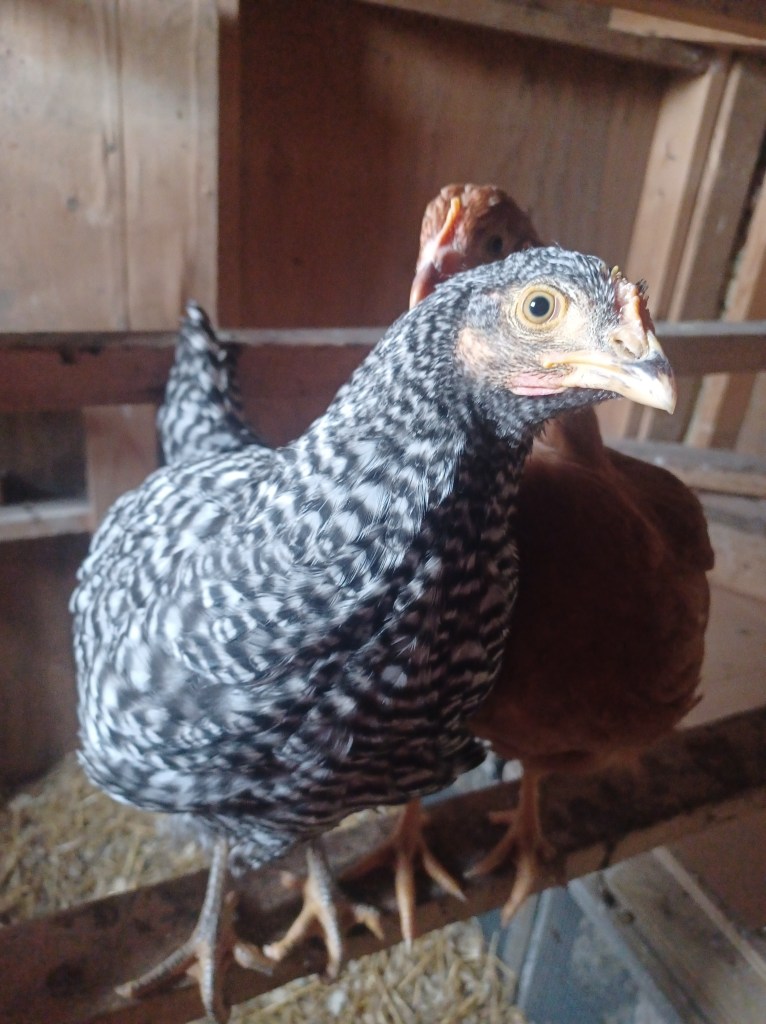
Quick tips for first time backyard chicken owners
Make sure you can legally have chickens in your area! Your state and local laws will impact how many chickens you are legally allowed to own and if you can have them at all. Some places do not allow roosters. Be aware of the laws that impact your area before you purchase your first chickens!
The purpose of your chickens will determine what breed is the best fit for you. Just like you wouldn’t form a dog sled team with Chihuahuas, each breed of chicken has unique qualities and talents that make them suited for specific roles. Do you want your chickens to be egg layers, meat birds, companionship, as show birds, or do you want a dual-purpose bird that can be used for meat and eggs? Why you are getting chickens will determine the best chicken breed for you!
Your chickens will need infrastructure, a place where they can live outside! In just 8-10 short weeks (that’s about 2 months) once they are fully feathered your baby chicks will need a safe place to live! At minimum you will need a coop (the place where they sleep and lay eggs) and they may also need a run (a protected exercise area). Build your infrastructure before you bring home your first birds for a seamless transition from their brooder (the safe place you keep them as chicks) to their new home!
You need a rooster plan. Straight run chicks which are what most box stores provide are 50% roosters (male chickens) 50% hens (female chickens). Though the percentages may vary, it is a dice roll every time. Some chicks are what’s called sex-link, meaning you can tell if the chick is male or female by their markings and coloring. For many breeds, this is indiscernible. You are less likely to get too many roosters if you get your chicks from a hatchery, but it is still a possibility. Have a plan to either create a bachelor pad, responsibly rehome, or cull your extra roosters. Do not attempt to cull a chicken without first researching how to do so humanely.
Chickens are long lived animals! If they are not culled and processed at a younger age, many backyard breeds can live anywhere from 3-10 years or more! After 2 years of age egg production declines, but can continue up to 7 years of age, meaning they will still produce eggs after 2 years of age just not as frequently. Supporting chickens as they age can be expensive! Think about a plan, weigh if this commitment is right for you and your family.
Chickens require daily care and maintenance of their areas to remain healthy. You will have to clean up chicken poop. It is just part of owning chickens.
Your chickens need proper nutrition to be productive and healthy. What is proper nutrition for your flock depends on the purpose of your chickens. If chickens are not fed properly, their bodies won’t be able to be productive or healthy. Research the cost of feed in your area.
Look into your soul. How many eggs can you and your family eat per day? No really. How many? In the height of summer of many high egg laying breeds will produce eggs 6-7 days a week. The height of their production will be in the summer and it will naturally decrease in the winter. How many eggs can you really use? What is your plan for extra eggs or for when productive drops lower in the winter?
Read books and articles about chickens! Seriously! Any books! Any articles! You can get free resources from the library, online, and from your local agricultural office. No matter how much you think you know, you can always learn more to benefit you, your family, and your flock!
I hope this was helpful! To learn more about backyard chickens and homesteading follow Chuck and his flock on YouTube!
https://www.youtube.com/channel/UC6CjdDVs4qN1xxxJXAH6sOg?sub_confirmation=1
 Chuck and the Chicks