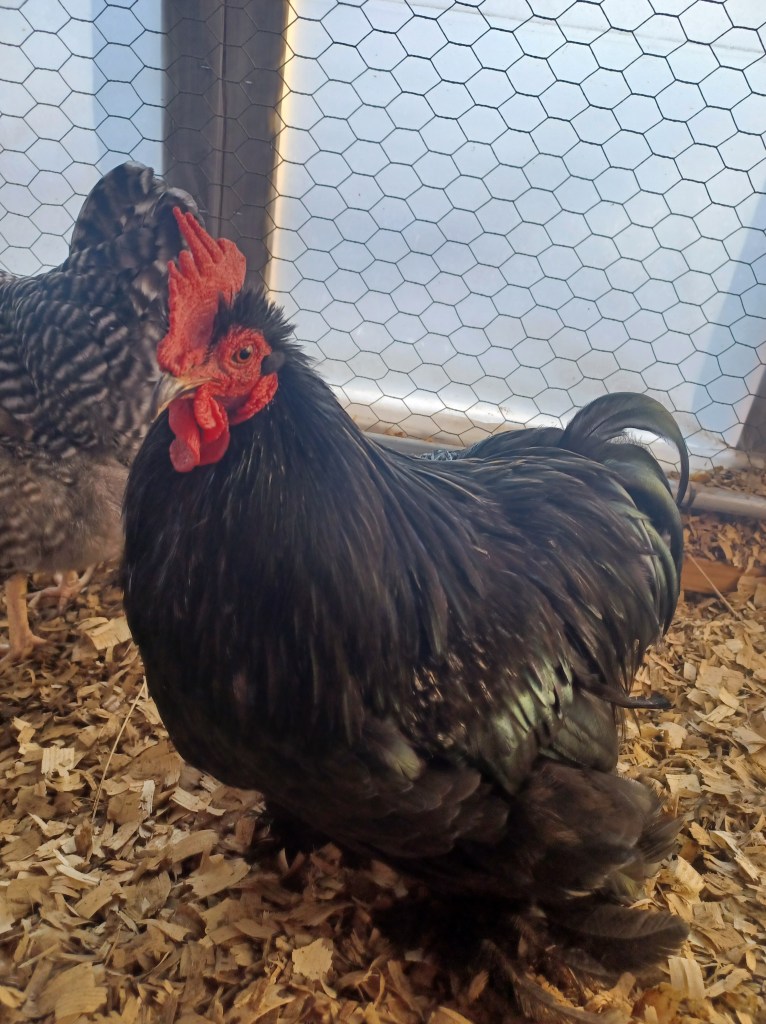
While many parts of the country might be experiencing warmer than normal temperatures, harsh winter forecasts are just around the corner. Here are a few tips to help prevent frostbite in your backyard flock.
Frostbite is caused by a combination of excessive moisture and freezing temperatures. To prevent the combination of these conditions causing frostbite to occur within your flock, the key is to keep their housing clean, dry, and free from draft.
1) Create walls to prevent draft and protect chickens from harsh wind. Chickens are hardy animals and can survive cold temperatures if they are kept dry, clean, and out of direct wind. Create walls and ceilings to prevent wind and precipitation from blowing directly on your chickens. You can use materials like tarps, panels, or sheet plastic. Secure your walls properly to prevent cold wind from blowing directly on your chickens but allow space at the top for air flow. This is important because it allows your flock access to fresh air without exposing them to the elements.
2) Provide them with roosting space off the ground large enough for them to cover their feet with their feathers. Large roosting and perching areas allow chickens to get off of the moist ground and cover their feet with their soft, warm feathers. 2x4s are ideal for this type of perch but you can also use large sticks and scrap lumber. Sand down any splinters or sharp sections of wood when creating your perches and roosts. Extra perching and roosting areas also help provide enrichment to your chickens when they spend more time indoors.
3) Provide your chickens with clean, dry bedding and litter. We use a combination of straw and wood chips in our coop and only woodchips in our run. While our coop is dry year round the run does occasionally become moist. Straw can retain more moisture than wood chips so it isn’t appropriate for our run. We use pine chips in our run space. Observe your chicken facilities after it rains and address any leaks, low spots, or places that puddle water.
4) Monitor the temperature in your coop or run area with an inexpensive thermometer. This is a great way to know more about the temperature conditions in your chicken area.
5) You can apply Vaseline or a bees-wax based salve to particularly large combs and waddles prior to dangerously cold drops in temperature. We only do this if we are anticipating record-breaking cold temperatures. If your chickens are not hand tame you can do this after they roost with the assistance of another person.
6) Avoid feeding any moist treats before your chickens roost for the night because any wet food on their feet, combs, or waddles can cause frostbite.
7) Make sure your chickens have access to fresh food and water daily. Malnutrition, inadequate nutrition, and dehydration make frostbite and other chicken ailments worse.
*A special note of caution. Never use a heat lamp in your coop!* This type of light fixture while appropriate for some situations is not safe for the inside of chicken coops! These types of fixtures accumulate dust and catch on fire! Most chicken breeds do not require an additional heat source. If you have ornamental breeds or feel your extreme weather conditions warrant the use of a heat source in your chicken area, opt for a safe alternative like a wall mounted panel heater. Check your chicken heaters daily for any sign of malfunction. When anticipating extreme winter weather we fill our food and water dispensers ahead of time and minimize opening their areas to retain as much heat as possible.
I hope this is helpful! If you have additional winter care tips please share them in the comment section of our YouTube channel.
 Chuck and the Chicks