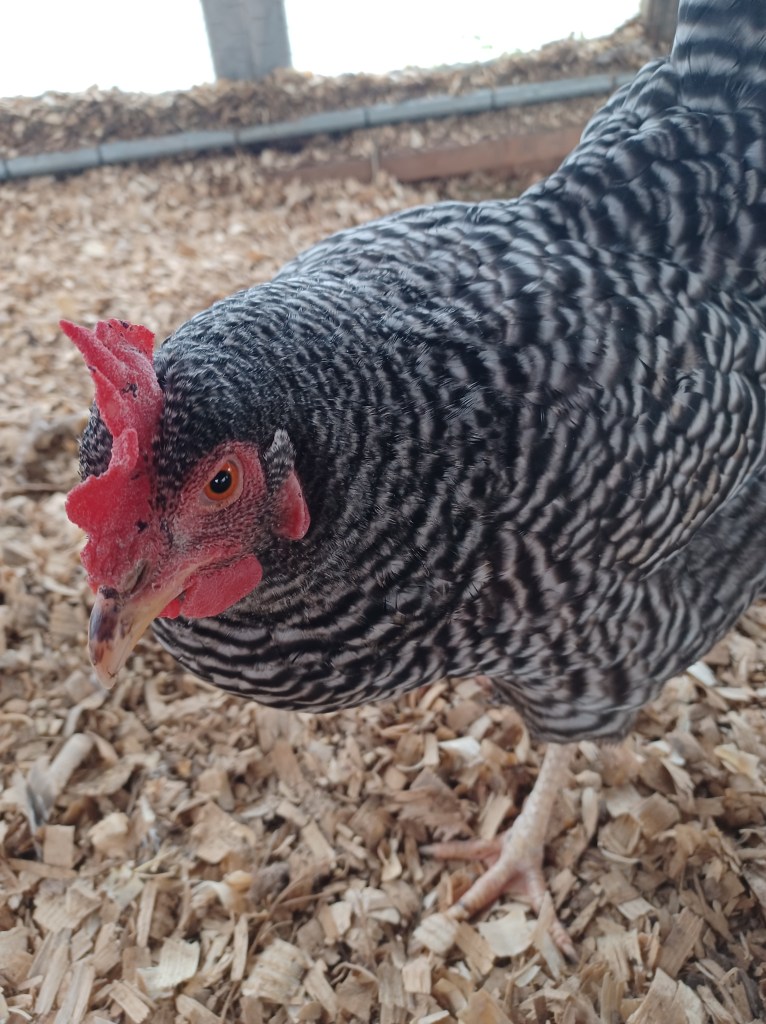
High quality, nutritionally complete chicken feed is essential for your chicken’s overall health. Chickens are domesticated livestock animals. Unlike their wild ancestors, chickens cannot survive on forage alone. Overtime humankind has changed chickens to meet our needs. Through intentional breed development humans have made chickens designed for high egg production, meat, beauty and show, and companionship. Modern chickens are 3 times as productive as their counterparts from only a few centuries ago. Because of this, chickens have high nutritional needs. Chicken nutrition is not a one size fits all formula. Your chicken’s breed, age, location, living arrangements (whether they have access to forage or not), and purpose will all impact their nutritional needs. On our homestead we have a small mix flock with backyard free range access. We live in zone 6A which has hot summers and harsh winters. Our chickens’ purposes are to be egg layers and companions. The following tips have helped our flock thrive and have also helped up save money on food costs. I hope one or more of these tips will be helpful to you!
1) Fermenting high quality chicken feed. Fermenting feed is a great way to double the volume of your high quality chicken feed. The process of fermentation makes the nutrients in the food more accessible for your chickens and they will also need to eat less of it to feel full. The downside of this method is it does create livestock dishes and the remaining food needs to be cleaned up and disposed of daily. Never feed your chickens rotten or putrid food. Fermented chicken food when done correctly should smell slightly sweet and sour like yogurt. If you suspect the feed has spoiled, throw it out, do not feed it to your chickens. To ferment chicken feed, start with a high quality feed. Estimate approximately ½ cup of feed per bird. If you’re feeding this only as a treat like we do, you can reduce the amount. Add non-chlorinated water, twice the amount of feed that you use. So if you use one cup of feed, you need two cups of water, and so on. The feed should be covered by at least an inch or two of water. Ferment feed in a jar or food safe plastic container. Cover with a loose lid or cheese cloth so air can escape. Store out of direct sunlight. Stir the feed 2-3 times daily with a wooden spoon. It takes 3 days for the feed to ferment. On day 3 it should smell similar to yogurt and have some bubbles on top. Drain the excess water and feed to your chickens in a livestock appropriate dish. Use a large dish or several dishes to discourage aggression. When your chickens are finished clean up and dispose of any remaining food.
2) Feed your flock healthy kitchen scraps. *Like any treats, scraps should be fed in moderation so your chickens are still getting the majority of their nutrition from their complete feed. Feeding too many scraps and treats can cause health problems. Fed properly, kitchen scraps are a great way to provide your chickens with an excellent nutrition boost. On our homestead we have never fed only processed feed or only scraps, our chickens have always had both. Not all kitchen scraps are safe for your chickens. If in doubt, don’t feed that scrap, and instead use their chicken feed. Some safe scraps for chickens are:
Vegetables and greens: Most vegetables are safe for your chickens. Some vegetables we have used are cabbage, lettuce, broccoli, kale, zucchini, pumpkin, spinach, collards, bok choy, celery, carrots, corn, squash, and Brussels sprouts.
Fruits: Apples, bananas, watermelon, cucumber, tomato (the fruit, NOT the leaves), and grapes are safe for your chickens.
Meat: Cooked meat fed in small amounts and preferably cut into small manageable pieces is safe for your chickens.
Bread and pasta: Cooked and in small amounts bread and pasta are safe for your chickens. Do not feed any treat excessively. Do not feed your chickens visibly moldy bread.
Foods that are toxic for your chickens are: avocado, chocolate, caffeine, alcohol, coffee grounds, onions, and the leaves of nightshade plants (tomatoes, potatoes, egg plant, etc.), highly processed or diet foods (chickens can’t digest artificial sweeteners, high sugar content food, or high salt content foods), uncooked beans, rice, or potatoes (anything that could expand in their stomach is not safe for your chickens), spoiled, rotten, moldy, or putrid food can cause ailments and poison your chickens.
We only feed treats every few days to ensure our chickens are still getting the majority of their nutrition from their complete chicken feed.
3) Add warm oatmeal to chicken feed for a winter treat. During the winter we will occasionally prepare a combination of oatmeal and chicken feed. When possible I also add apple slices. Wait until the oatmeal is able to be touched and no longer too hot before serving it to your chickens in a livestock appropriate dish.
Important.* Do not feed moist treats right before chickens roost especially in freezing temperatures because chickens eat with their whole face. Moist treats stuck on their waddles will cause frostbite overnight.*
4) Make your own flock block. Using ingredients you may already have at home you can make your own flock block! Customize your dry ingredients with your chicken’s favorite treats. If the block doesn’t stay in a perfect shape that’s OK, your flock will happily eat it from a dish. These are great as treats and also to alleviate boredom!
To make your own flock block:
1 cup layer feed, 1 cup of oats, customize with additions of your chicken’s favorite treats such as a cup of sunflower seeds, grub worms, scratch grain, corn, safe vegetable and fruit scraps, 3 eggs (optional), ½ cup of molasses, 1 cup of coconut oil (melted). Combine dry ingredients, then add the wet ingredients. If you plan to hang your block use a chop stick or pencil to create a hole for your string. Adjust proportions of ingredients so when pressed into the baking dish of your choice there are adequate wet ingredients to envelop but not submerge the dry treats. The portions will vary depending on your chosen ingredients and the size of your dish. Adjust as needed.
Preheat your oven to 325 degrees. Line your baking dish with parchment paper or spray generously with non-stick spray for easy removal. Cook for 25 minutes and then begin to check. Oven times will vary so cook less and check often. Wait until it is completely cooled before removing from the dish.
Don’t forget during the winter, even if your chickens have access to free range conditions it may be difficult for them to access the grit they need to properly digest their food. We provide our chickens calcium and grit supplement in a separate container from their food year round for strong egg shells and an adequate grit supply even when they are indoors.
I hope this was helpful! If you have questions about backyard chickens or homesteading please visit our YouTube channel and leave them in the comments.
Wishing you all a safe and Merry Christmas and a happy holiday season!
* To use non-chlorinated water you can purchase filtered water, use a water filter on your tap or a filtered pitcher, or if you leave tap water in an open container overnight the chlorine will evaporate, you can also boil tap water for 10-15 minutes to remove the chlorine.
**The measurements on the flock block treat recipe are not exact. You will want to dial it in based on your chosen ingredients, your container, your oven, and your flock’s preferences. No worries if it doesn’t hold its shape, your chickens will happily eat this treat from a livestock dish.
 Chuck and the Chicks