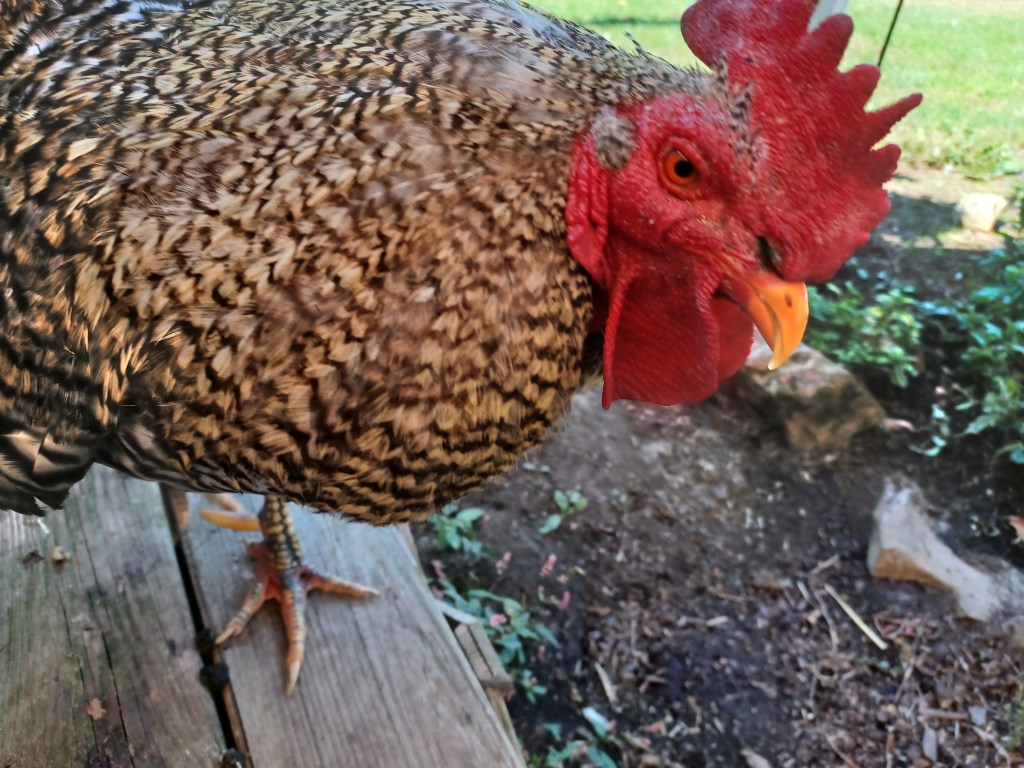
Ways To Prevent Chicken Illness and Unwanted Behavior
*Disclaimer, this material is not meant to be a replacement or substitute for professional veterinary care or services of any kind.
When it comes to keeping your chickens healthy, so much relies on prevention. Diseases and pests can spread quickly within your flock and compromise the health, productivity, and wellness of your birds. While many over the counter remedies exist for these issues the more desirable situation is to never encounter these difficulties in the first place. While some aspects of keeping your chickens healthy are affected by uncontrollable circumstances like weather, the vast majority can be impacted by consistent and positive care habits. Many chicken ailments have common root causes or contributing factors. Here are some things to consider when preventing issues in your own backyard flock.
1) Ensure you have adequate facilities for your birds. We all know the allure of small fluffy chicks in the farm store or hatchery. But usually within 8-10 week and once they are fully feathered chicks are ready to be outside. The kind of housing and structures you provide for your chickens can have a drastic impact on their health and overall wellness. Chicken structures do not need to be expensive or fancy, but they do need to be safe and functional. Good chicken structures including a coop and run should be weather proof and predator proof. Take measures to ensure your structures protect your chickens from the elements (direct precipitation and wind). Invest in predator-proofing measures and regularly check your structures for signs of predator presence. I check the perimeters, floors, and ceilings regularly for any sign of disturbance.
2) Make sure you have enough space for your chickens. Full size chickens need 3-5 square feet of coop space per bird (the coop where they sleep) and 8 square feet of run space per bird (a run is a covered and protected exercise activity area), and bantams require approximately half of that. Heavy or larger breeds require more space. Inadequate space is linked to unwanted behavior like aggression and feather picking. Adequate space for your birds promotes not only their physical health but inter-flock harmony. These are considered minimum space suggestions. More space is always better when possible.
3) Provide proper nutrition to your birds. Properly feeding your flock is one of the most important things you can do to maintain your flock’s overall health. Poor or inadequate nutrition doesn’t only impact your bird’s physical health but it can also impact their behavior. Inadequate nutrition and malnourishment can cause issues such as lower or no egg production, feather loss, feather picking, and in extreme cases even cannibalism. Provide your chickens with proper nutrition which is appropriate to their breed, purpose, and life stage. You can supplement store bought high quality nutritionally complete feed with healthy kitchen scraps. I have never fed only processed feed or only scraps but instead have always used both, ensuring my chickens still get the majority of their nutrition from their complete feed. If you have been unhappy with the health of your birds or noticed them habitually avoiding their current food, consider changing brands or trying different types and textures. The nutrition your flock requires will vary depending upon your unique situation and the type of chickens you have.
4) Clean your chicken’s facilities regularly. Muddy moist floors and surfaces with accumulated droppings cause and perpetuate a variety of chicken ailments and illnesses. Purchase or acquire adequate fresh bedding and litter for your flock and maintain their facilities daily. Scrape droppings from perches, roost poles, and structures. Wash items that your chickens contact regularly. Clean food and water containers regularly. Remember a properly maintained coop and run do not smell bad! If your chicken facilities smell strongly of ammonia or filth these conditions can endanger your birds and negatively impact them in many ways. As weather conditions change with the seasons, observe and address any areas in your chicken’s facilities which accumulate water, mud, or have the potential to cause injury (things like sharp wire ends, unsafe surfaces, or loose boards).
The most important thing to ask yourself if your chickens are displaying undesirable health or behavior is what factors could be contributing to this? Chickens are hearty and stoic animals and can often endure unfavorable conditions for a long time before an event brings their difficulties to light. Chickens do not have malicious intent. They will never intentionally harm one another or behave negatively because of emotional retaliation. As much as we enjoy assigning human qualities to our chickens, it is important to remember they are livestock animals with basic needs and if they develop health or behavioral problems it is because those needs are not being met, not because they are bad or “lazy” chickens. There is truly no such thing. Meeting your chicken’s basic needs based on your unique situation can prevent the vast majority of chicken ailments and illnesses. Keep learning about your chicken’s unique needs based on their breed, purpose, and the special weather conditions and challenges you will encounter raising chickens in your region.
I hope this was helpful! Do you have ideas for our next blog entry, Instagram post, or Youtube video? Visit our Youtube channel (link on our front page) and leave a comment! We would love to answer any questions you have about backyard chickens and micro homesteading. Thanks for stopping by!
 Chuck and the Chicks