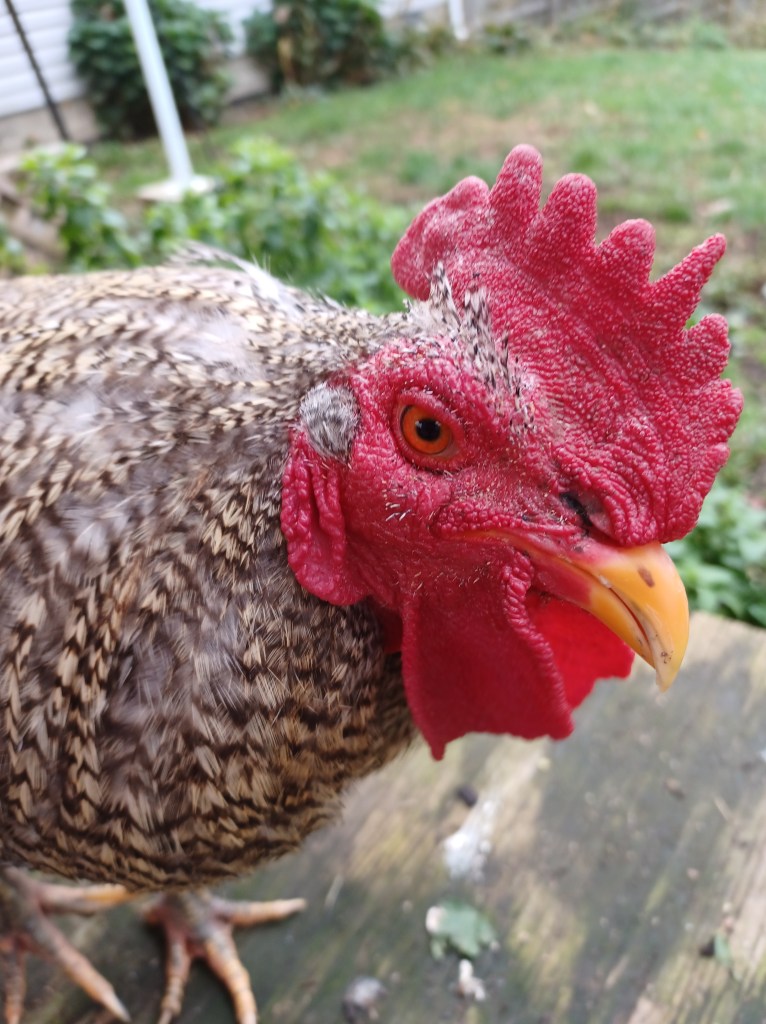
The Basics Of Chicken Care In The Winter Time
A homesteading life is a seasonal life. You will notice some of your chicken care routines will change depending on the season. Remember as the days get shorter, it is natural for egg production to decrease. Don’t worry! As long as your chicken’s basic needs are being met their egg production will return and begin to increase as the days get longer. In the meantime it is normal to experience reduced production in the winter time. You may also notice your flock eating more chicken feed as their access to fresh forage has decreased. Here are a few things that have been helpful for me caring for chickens in the winter time.
1) Have extra feed on hand. While it is often not cost effective or practical to have multiple bags of feed, having at least one extra bag of your regular nutritionally complete layer pellets or crumble on hand can be very useful especially when extreme weather conditions occur.
2) Have extra bedding on hand. Whether you use pine shavings or another form of livestock bedding and litter you will use more in the winter season. Be sure to refresh bedding and litter regularly to reduce moisture, mud, and mess. Remove heavily soiled bedding and litter to help keep your chickens healthy.
3) Continue cleaning perches and roost poles regularly. When chickens walk or perch in places with heavy droppings this can cause and perpetuate disease.
4) Provide excellent nutrition in the form of high quality chicken feed. A pivotal part of chicken health is ensuring they have appropriate nutrition so their bodies can function properly. Make sure your flock has adequate access to high quality chicken food and fresh water.
5) Provide treats as enrichment. A handful of grub worms or chicken safe kitchen scraps can provide both nutrition and enrichment during the winter months. Use treats as a way to combat boredom when your flock is spending more time indoors. Protein rich snacks are helpful to give your flock much needed energy during harsh winter conditions.
6) Use a heated livestock bowl. There are many designs available! Heated livestock bowls take the guess work out of ensuring your chickens have access to fresh water all winter long.
7) Be weather aware. Be conscious of changing weather conditions in your area so you can ensure you have the supplies needed to provide for your flock.
8) Be sure your flock is protected from the elements. Check that your chicken housing has an intact roof to protect chickens from precipitation and covered sides to protect your chickens from harsh winds and draft.
9) Invest in winter gear for yourself. You will want to have a weather appropriate coat, dedicated livestock care boots, and work gloves. The boots you select should have good tread and keep your feet dry. Don’t wear your livestock boots in town to reduce the possibility of bringing unwanted germs back to your chickens. If you can’t afford to acquire these items new, many can be found at thrift stores. Upgrade equipment when you can.
10) Consider moving your chore time to correspond with the season. I complete chores earlier in the day during the winter due to the shorter days, also so I have as little impact on my flock’s routine as possible while maintaining their area.
11) Don’t forget to just spend time with and enjoy your chickens. Bundle up and get out there! Part of the joy of chickens is that they allow us to connect with the nature all around us. Observing and being with your flock during the winter can alleviate their boredom and yours. Also, spending time regularly with your chickens allows you to spot early signs of any potential issues.
Wishing you all a safe and happy start to your winter season!
 Chuck and the Chicks