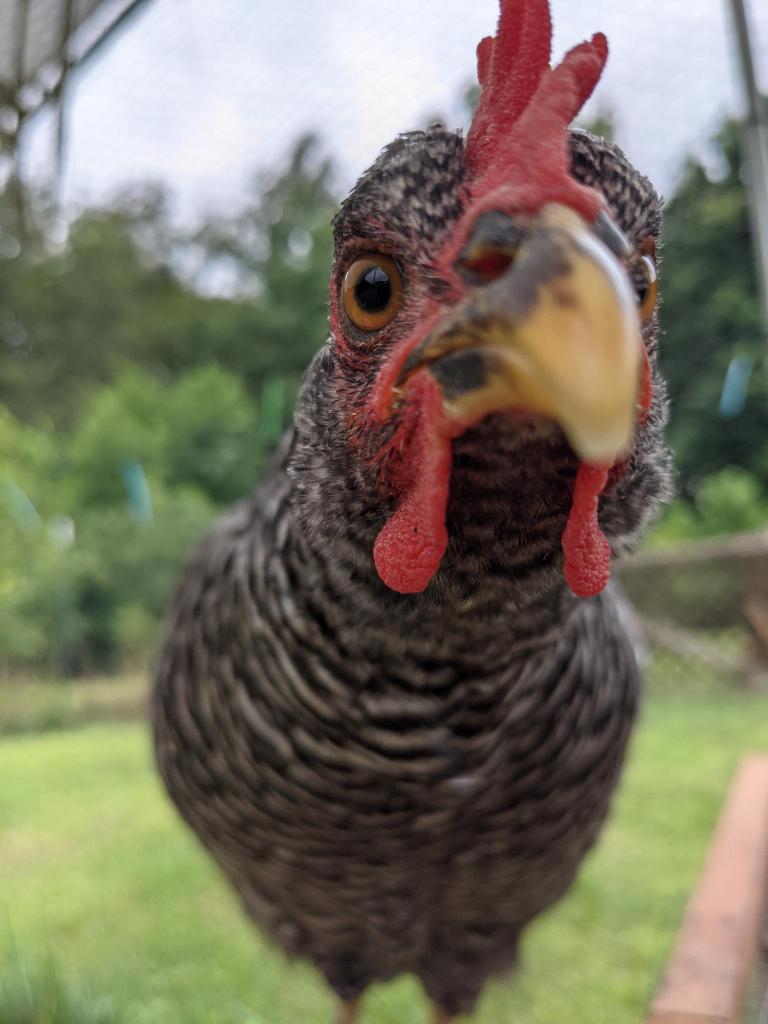
Much like life, having a backyard flock is a balancing act. Trying to ensure the correct ratio of roosters to hens. Balancing their diet, making sure they have enough nutrients like protein and calcium. Watching the weather actively to ensure it’s safe for them to graze outside of their protective run. Daily cleaning chores. Using supplements when needed for different members of the flock as their nutritional needs will vary with age and breed. And when it all works, it works. You feel and see the flock bock bocking along and it is sheer bliss.
Keeping backyard chickens comes down to a lot of pre-emptive maintenance. The health needs of every flock with vary depending on your weather, the kind of chickens you have, their age and other environmental factors like pests in the soil or threats from external predators. Here are some of the things that have helped me keep my chickens healthy.
*Supplementing their feed with table scraps and fresh vegetables. No chicken no matter their breed can survive on forage alone! While forage can make up a large component of their diet they need additional nutrition in the form of feed or a combination of feed and scraps. While there is no one right way to feed all chickens, again, because their needs and purposes vary so vastly, it is important to provide them with the best diet you feasibly can. Just like we benefit from high quality food when it’s available, so do our flocks. I blend my own chicken food because this was the cheapest way I found to create high quality feed. I supplement their diet with scraps and hang fresh veggies in their run when I can for enrichment. They also have a dedicated nutrient supplement feeder with oyster shells and grit. I also feed them their own baked egg shells.
*I clean the coop and run daily. I remove or cover excess droppings and clean all of their perches. Seasonally I do a deep clean with Bronner’s castile soap and very hot water. Seasonally I also do a complete bedding refresh. I change the bedding in their nesting boxes whenever it appears to need it or it appears low because they have kicked some out of the box.
*I do frequent feet checks on my ornamental and feathered legged birds (silkies, cochins, and Polish) and all of my birds at roost time. Roosting time is a great time to get a good look at your flock and inspect them for any injuries.
*I spray the borders of the coop and run with Bronner’s seasonally and wipe them down as a barrier between the chickens and insects.
*I change their water containers frequently, even though they last several days untended if needed I try to change them often enough so their water is never more than two days old and their container is clean.
*I use DE (diatomaceous earth, FOOD GRADE***) in their feed as a worm preventative. That is a big concern in our area because of our soil so I keep this up year round. I follow the formula outlined in my first-aid kit post.
*I provide them with chicken baths made from old planting buckets in their area and make sure they have plenty of dry dirt to dust bathe themselves.
*One of their 3 water containers has Rooster Booster poultry cell in it as a vitamin supplement they can drink by choice when they want to.
*I do everything I can to ensure they live stress free by ensuring everyone has adequate space in their coop and run.
This is not an all inclusive list but just some things I do that have helped me keep my flock healthy in some extreme conditions. I hope this is helpful!
 Chuck and the Chicks