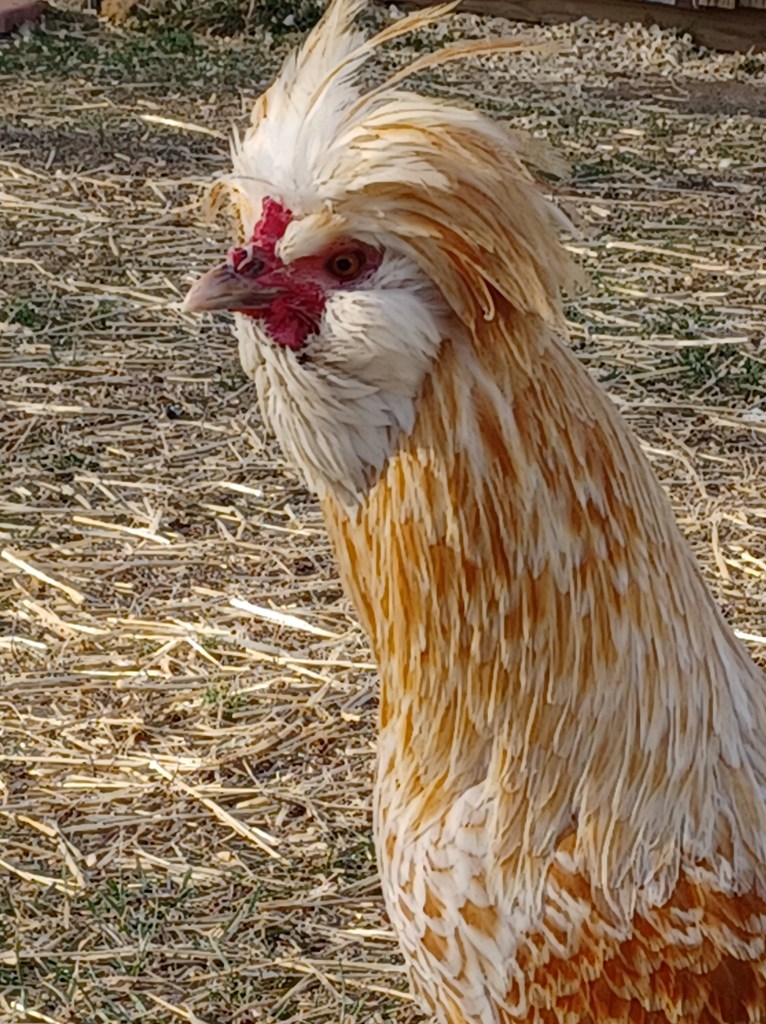
What’s in your backyard chicken first-aid kit? First, a disclaimer. *If you have the option of taking your sick or ailing chicken to a veterinarian, please do so! First-aid remedies are not* a substitute for actual veterinary care.*
That being said these are some of the products that I keep on hand as part of my chicken first-aid kit. I’m not officially associated with any of these products in any way. These are things that I have used that have worked for me and my flock, listed in no particular order.
Vet RX-Used to treat respiratory distress in chickens, a backyard flock must have.
Poultry Cell Rooster Booster-Vitamin supplement-I use this especially in the winter months when the flock can’t free range as often because of severe weather. 2 tablespoons to one gallon of water. I have multiple watering stations and I will provide this as an option for my flock.
Sav-A-Chick (both Hydration and Pro-biotic varieties)-This is a water supplement which is very helpful not only for young chicks when you first bring them home but I also provide this to my older hens during extreme heat. The pro-biotic formula is great to give to any chicken recovering from an illness to help replenish the good bacteria in their system. Follow instructions on the back of the packet, one packet to one gallon of water. I find it easiest to use a cleaned recycled milk jug.
Gatorade (full flavor, not diet or sugar free!)-Watered down regular flavor Gatorade can be safely given to your chickens for hydration. Emphasis on the full flavor. Diet products are dangerous for animals. 6 teaspoons to one gallon of water.
Food grade diatomaceous earth-I use this in their food as a worm preventative. Emphasis on food grade! Not* the diatomaceous garden pesticide. The food grade bag has pictures of livestock on the package. ¼ cup DE to 5 cups of chicken feed.
Hen Healer-This is a blue ointment for chapped, raw, bare chicken skin. This has worked great for me on my hens that were experiencing hard malt or had scraps from mating.
Neosporin-The same that I have in my human first-aid kit, suitable for minor cuts and scraps.
Bronner’s soap- This soap is safe for animals, even chickens, and can be used to clean wounded areas or heavily soiled feathers when needed. Chickens 9/10 given a proper bathing area will clean themselves but some of my ornamental breeds especially require some extra care.
Beeswax hand balm-I have used beeswax balm in addition to the Hen Healer ointment to help my chickens recover from minor skin damage to their combs, waddles, and legs.
Anti-biotic livestock spray-I have used this especially on chicken feet and other areas where an ointment was unlikely to be effective because it couldn’t stick. If you can’t find dedicated anti-biotic spray for livestock the human equivalent would also work.
Terramycin- This is a first-aid antibiotic ointment that is safe for eyes and other very sensitive areas.
Please never try a home remedy for your flock without doing sufficient research first and talking to a veterinary professional whenever possible. Experienced chicken owners are almost always eager to share their experiences so ask your community for help when you need to!
 Chuck and the Chicks